
Privacy, impersonation, and payment requests are risks to assess against each promotion’s own terms. This risk-focused discussion connects with a complete promotion-to-prize explainer without offering a verdict about any particular promotion.
Key Takeaways
- Look What Mom Found giveaways are safe when entered through the official blog and verified giveaway posts.
- Legitimate giveaways never ask for payment, sensitive data like Social Security numbers, or bank details.
- Use recognized entry tools like Rafflecopter or Gleam and verify their URLs during entry for security.
- Always confirm the giveaway’s domain, sponsor details, and rules fully before entering to avoid scams.
- Limit shared information to name, email, and shipping address and use a separate email for contest entries.
- Watch for suspicious emails or messages after entry and never click unknown links or provide payment information.
How Look What Mom Found Giveaways Work (Entry Mechanics, Prizes, And Sponsor Roles)
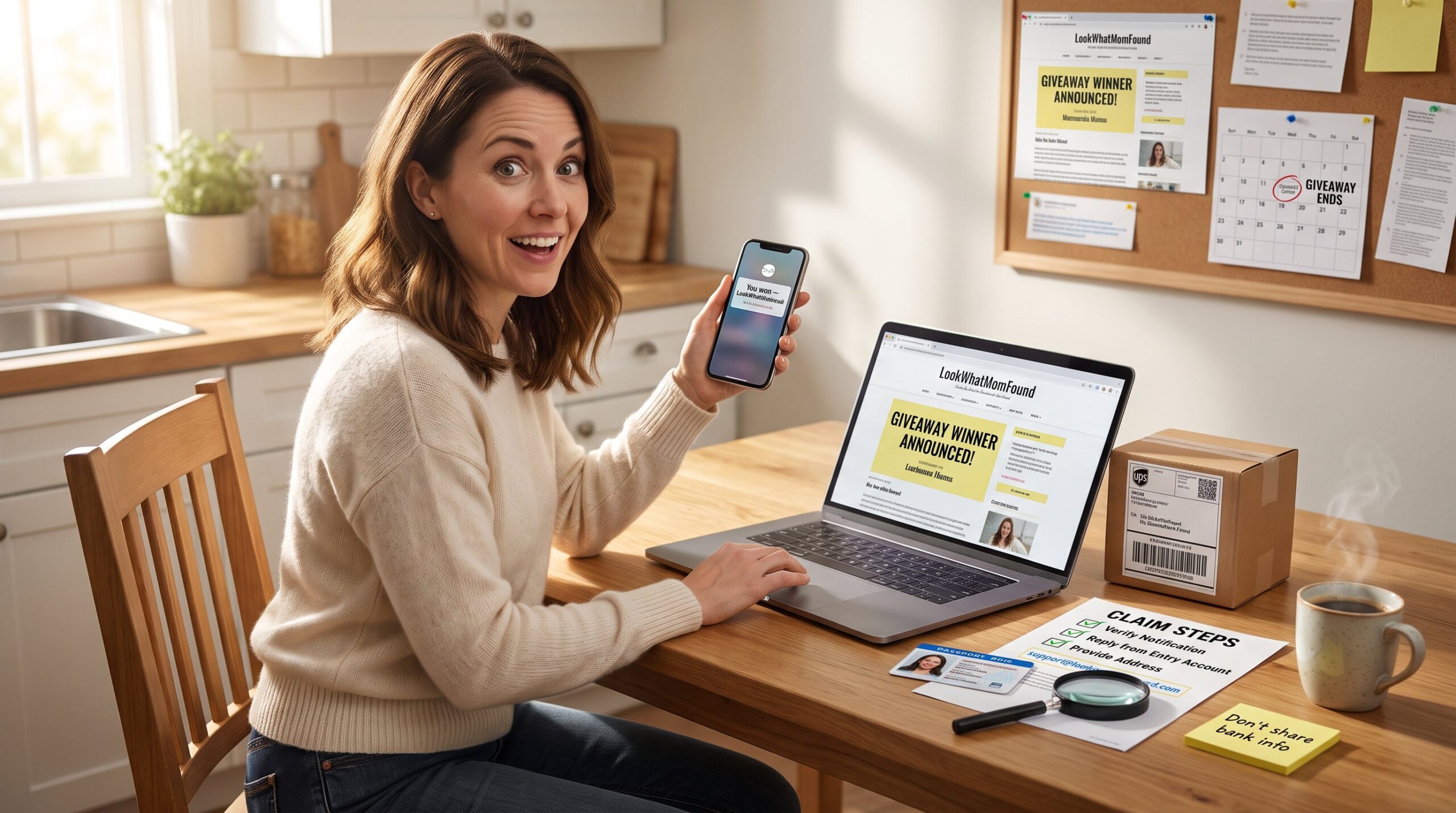
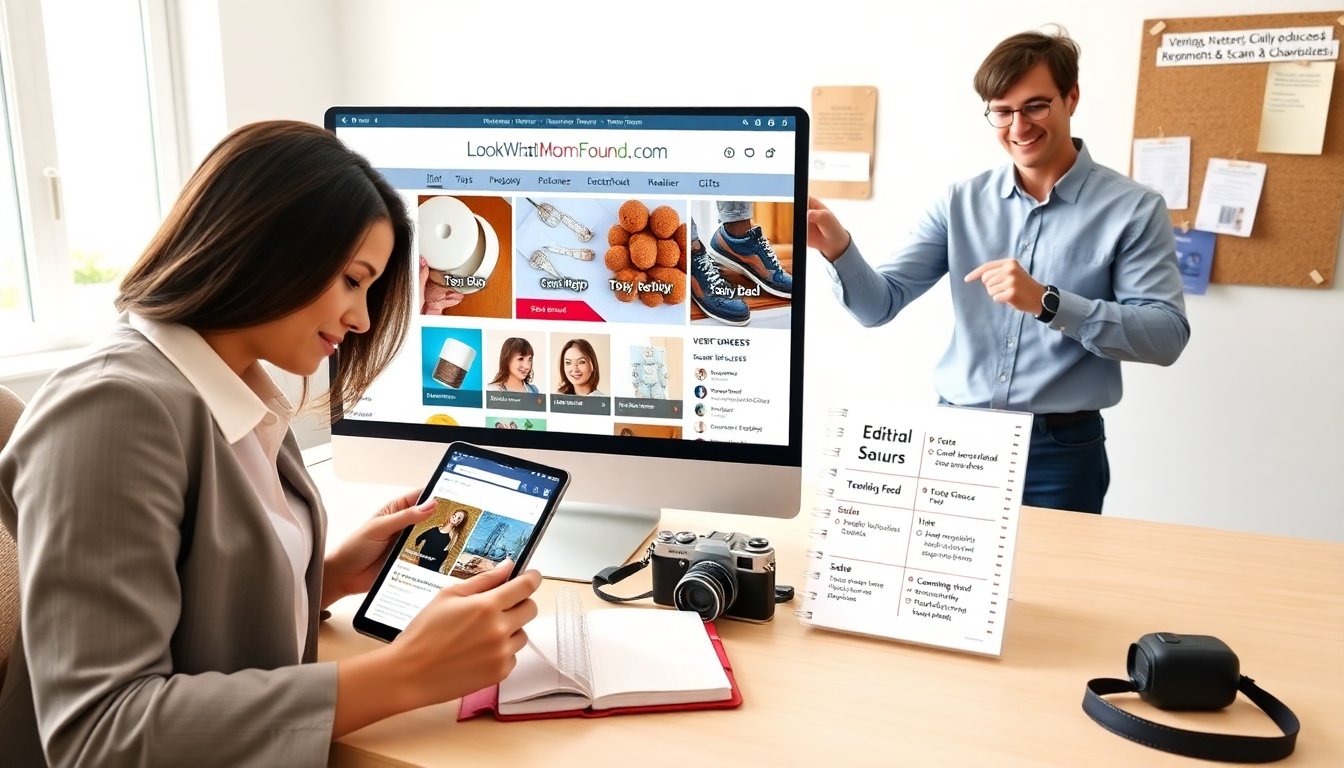
Fact: Look What Mom Found giveaways usually run on the official blog and use established entry tools. Most giveaways post a dedicated blog entry that explains entry mechanics, sponsors, prizes, and deadlines.
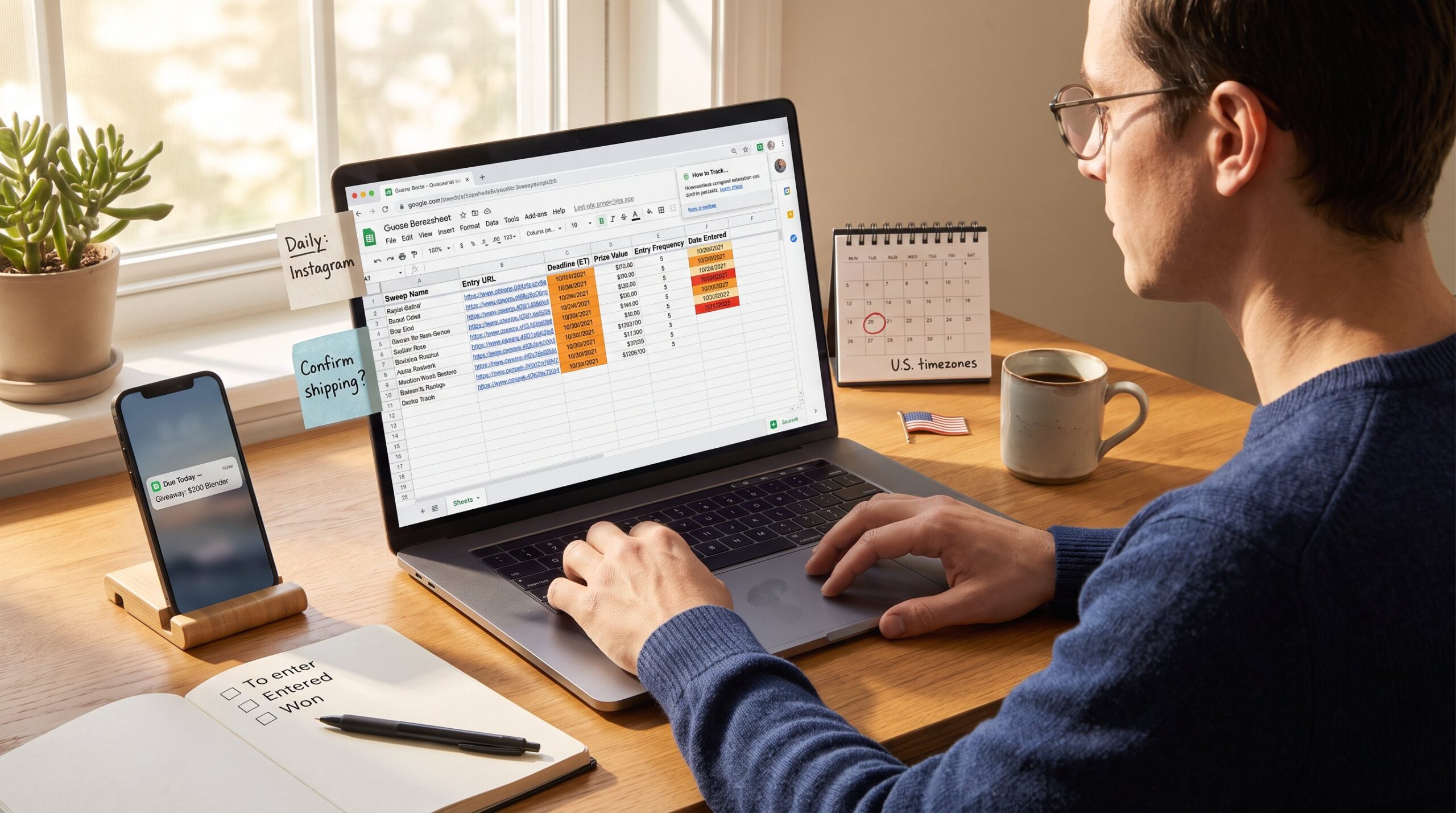
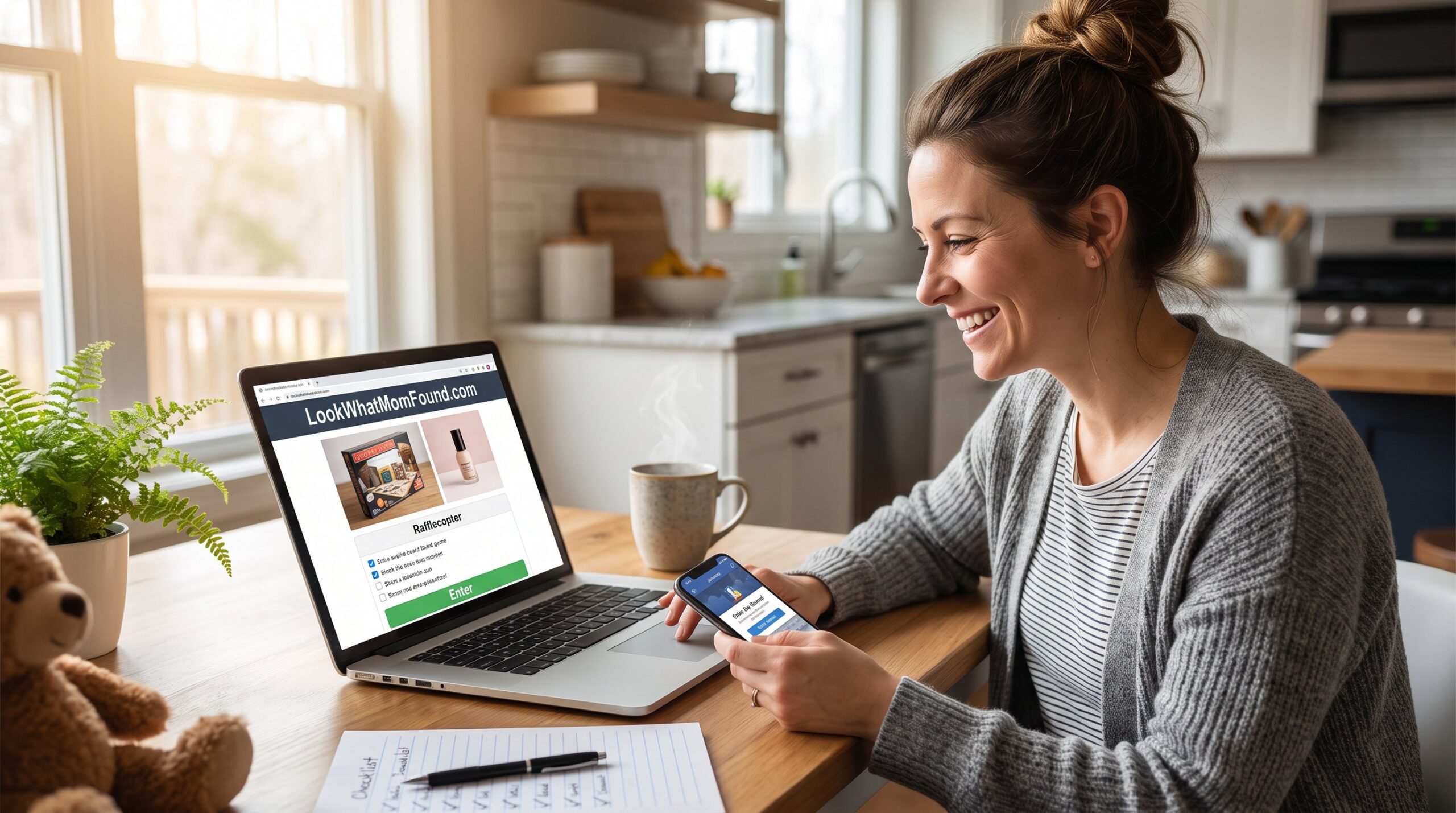
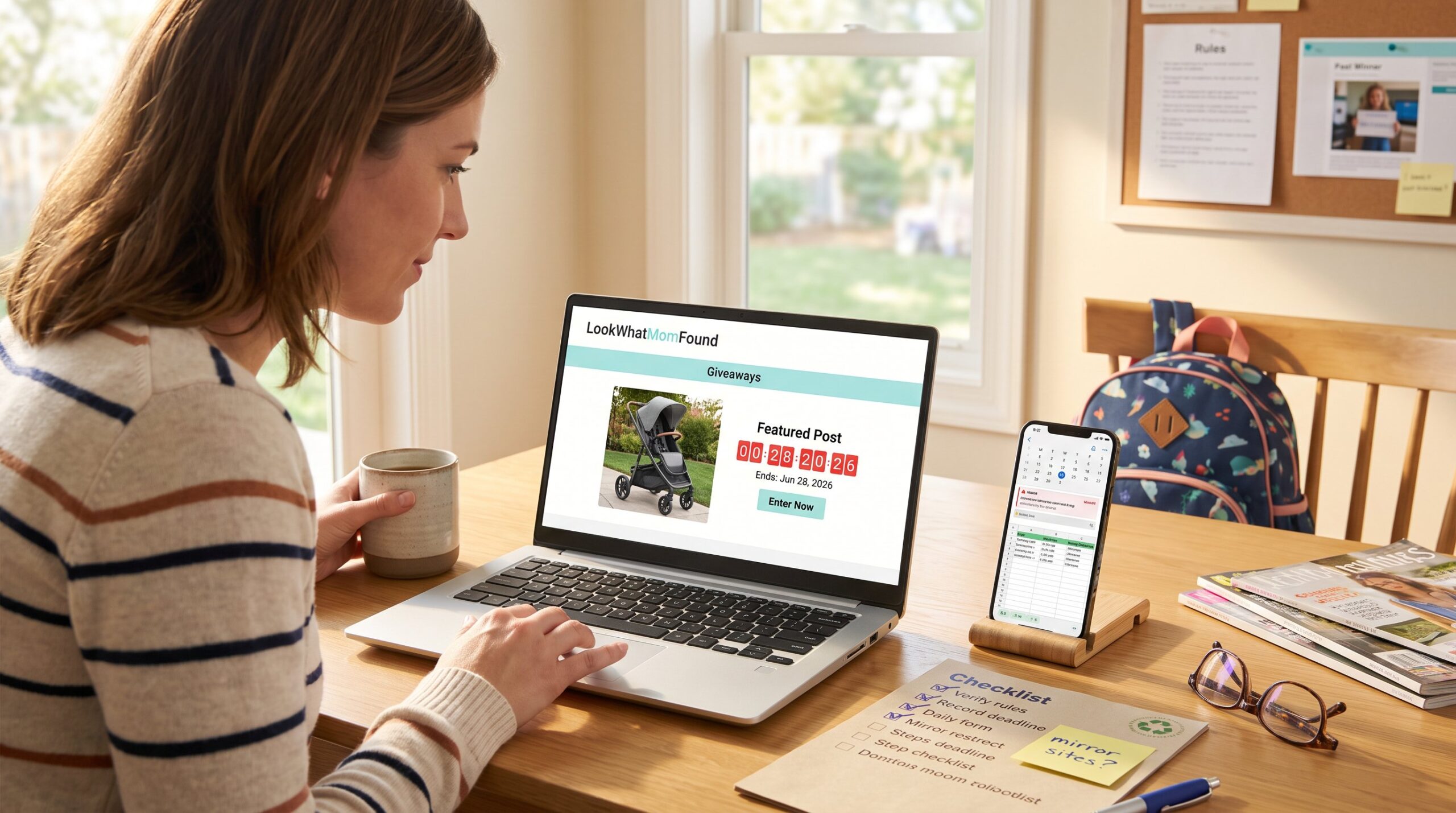
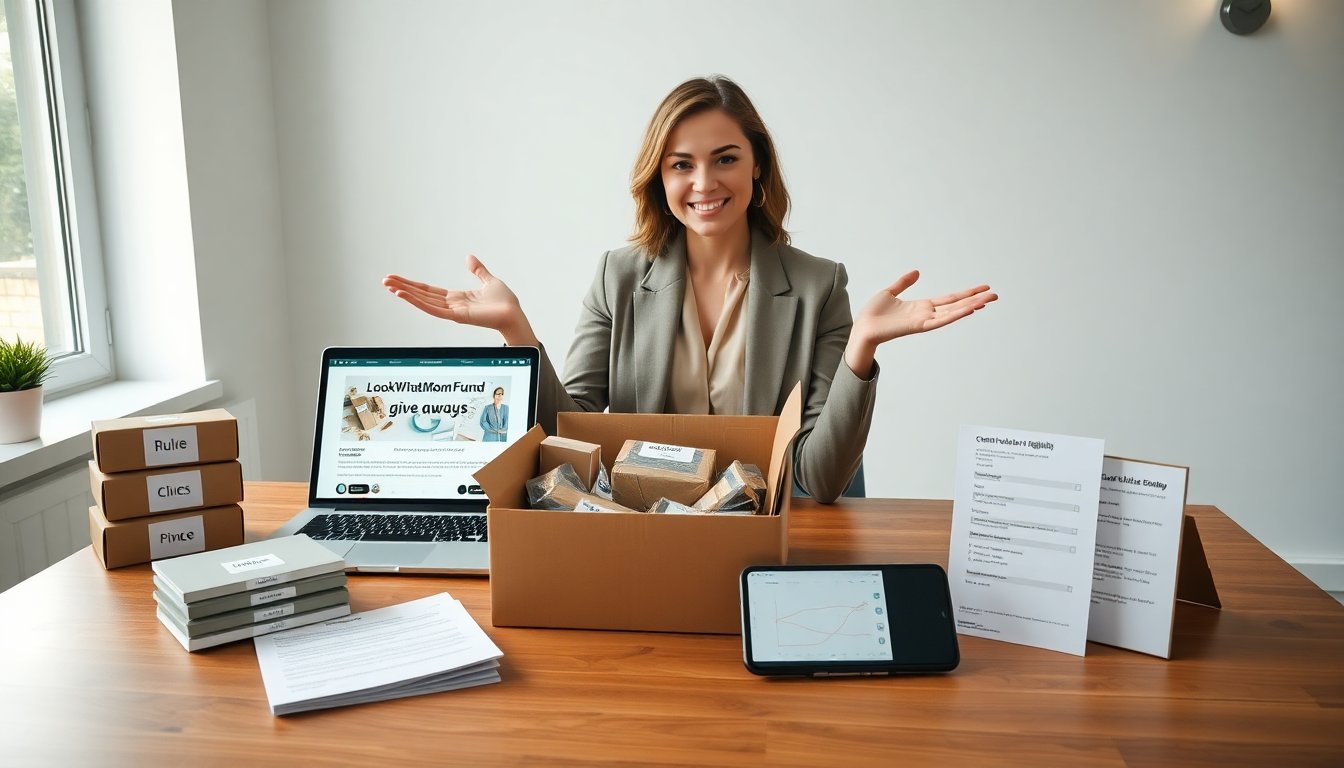
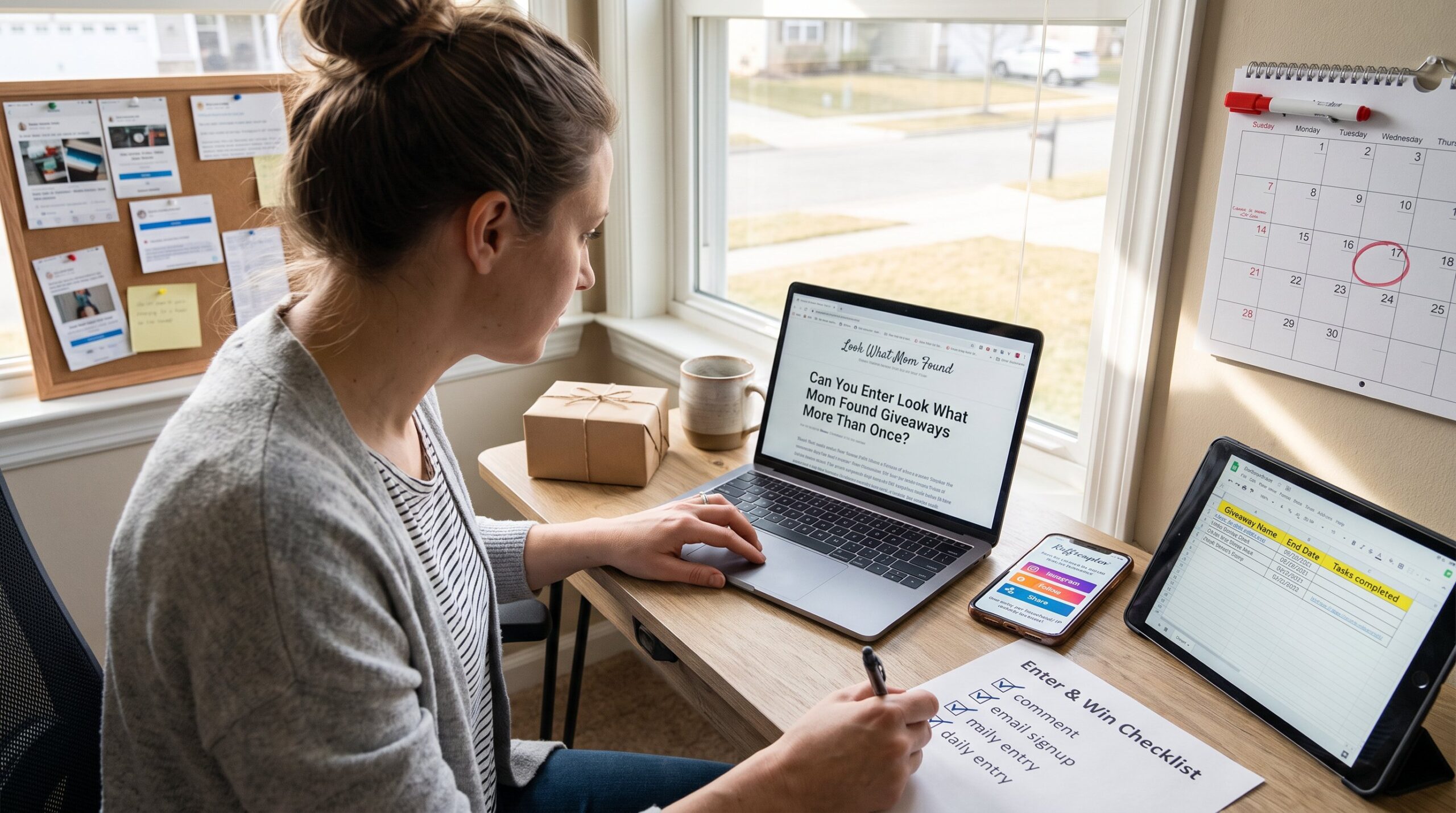
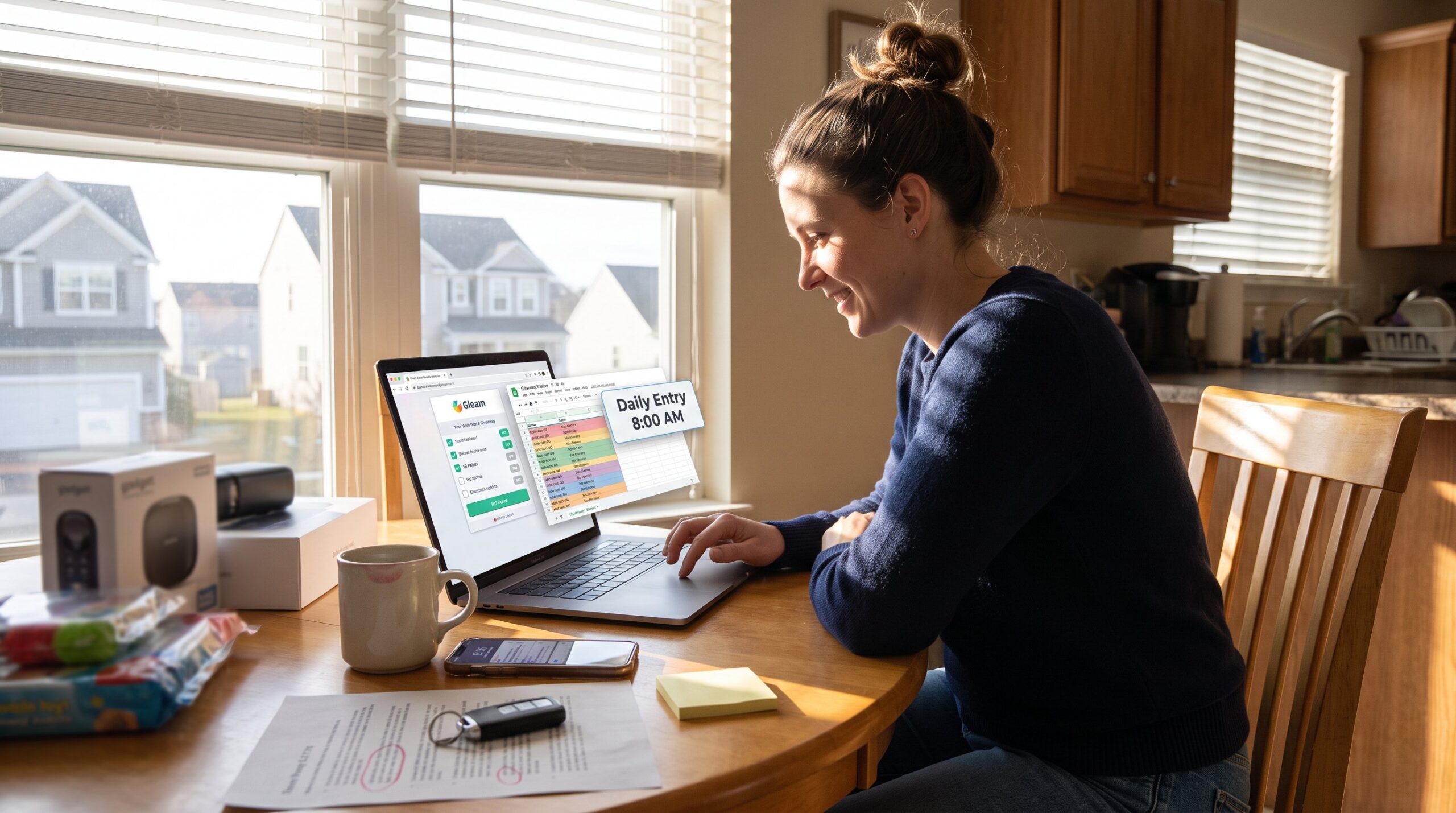
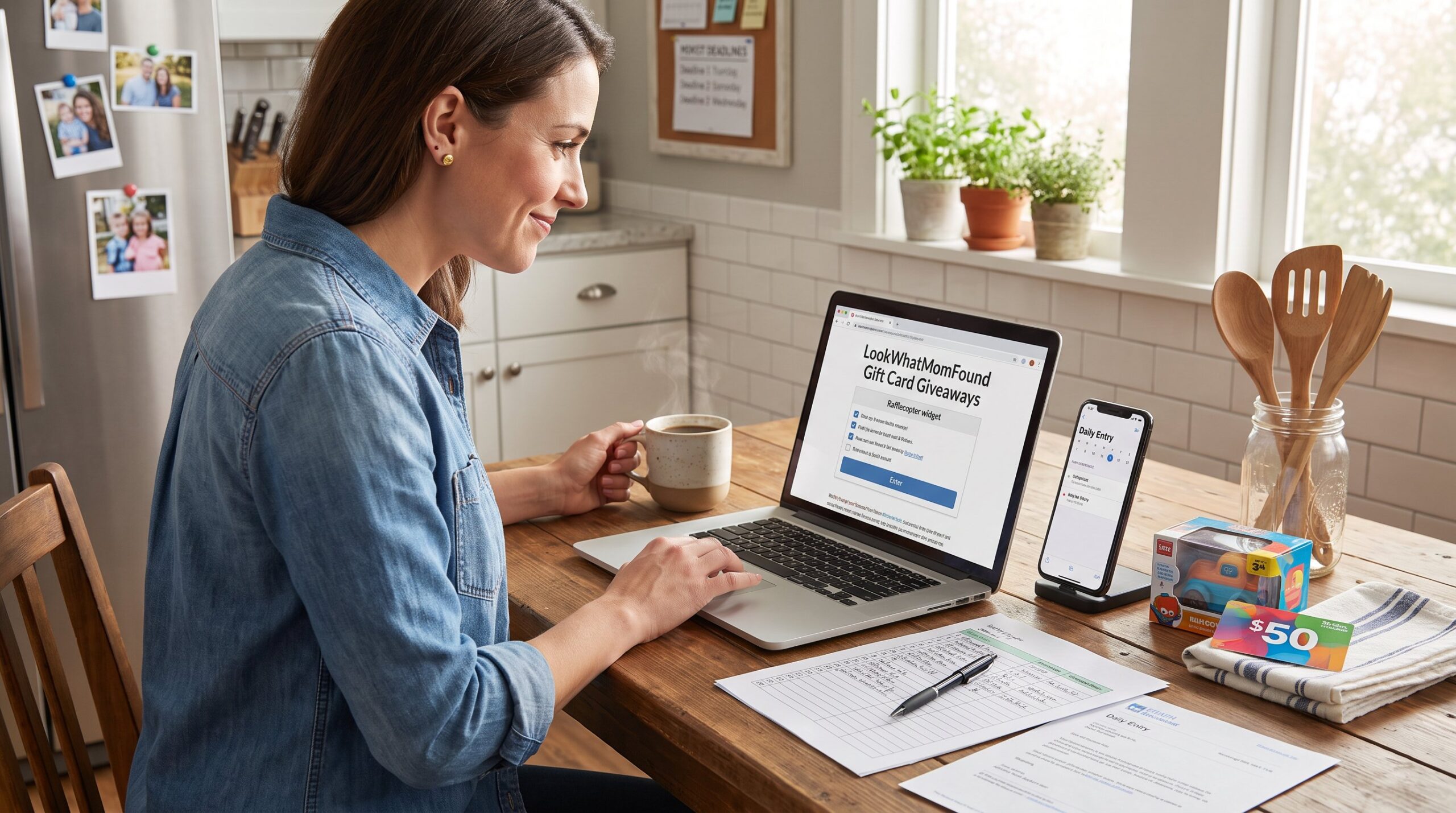
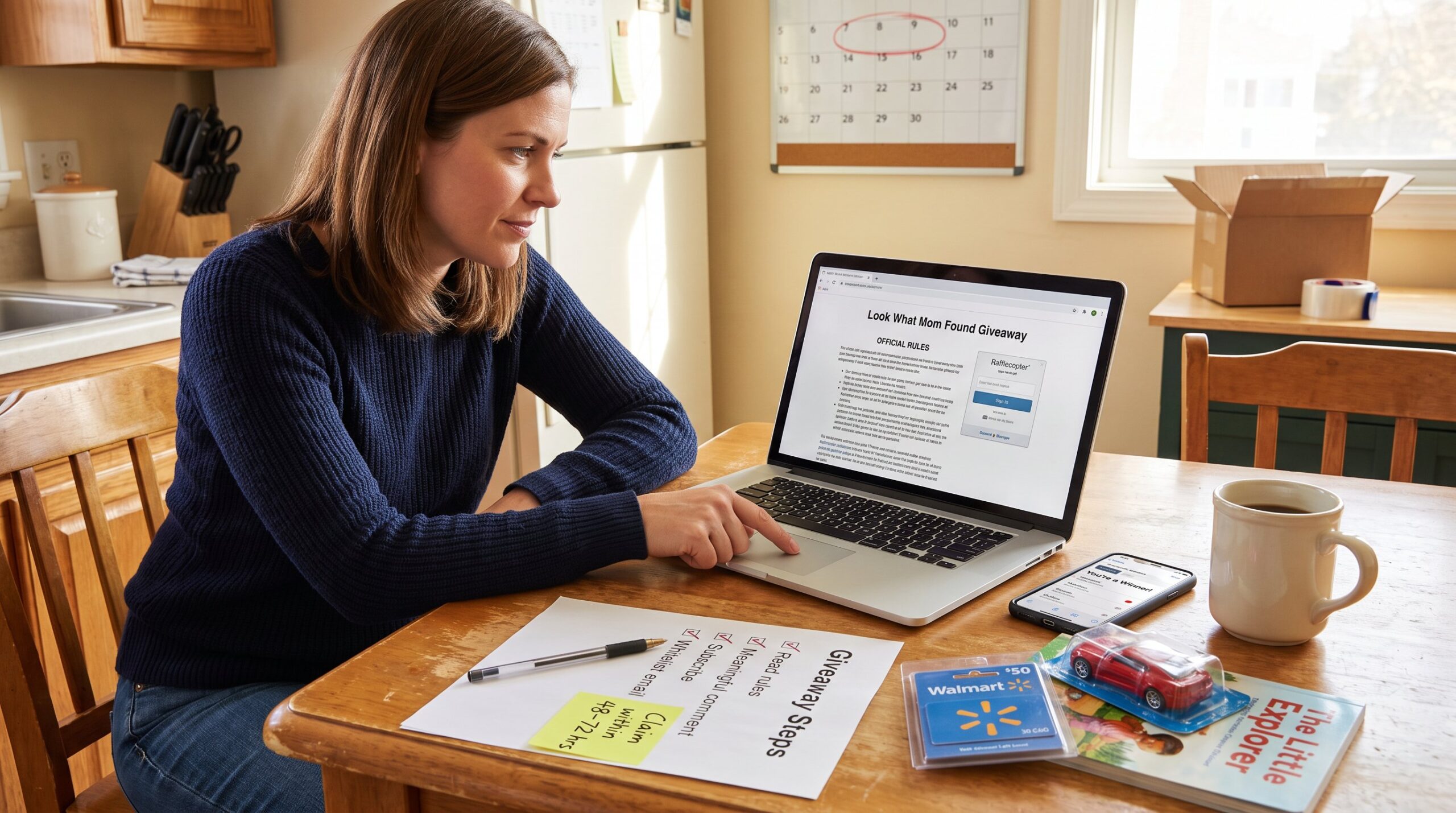
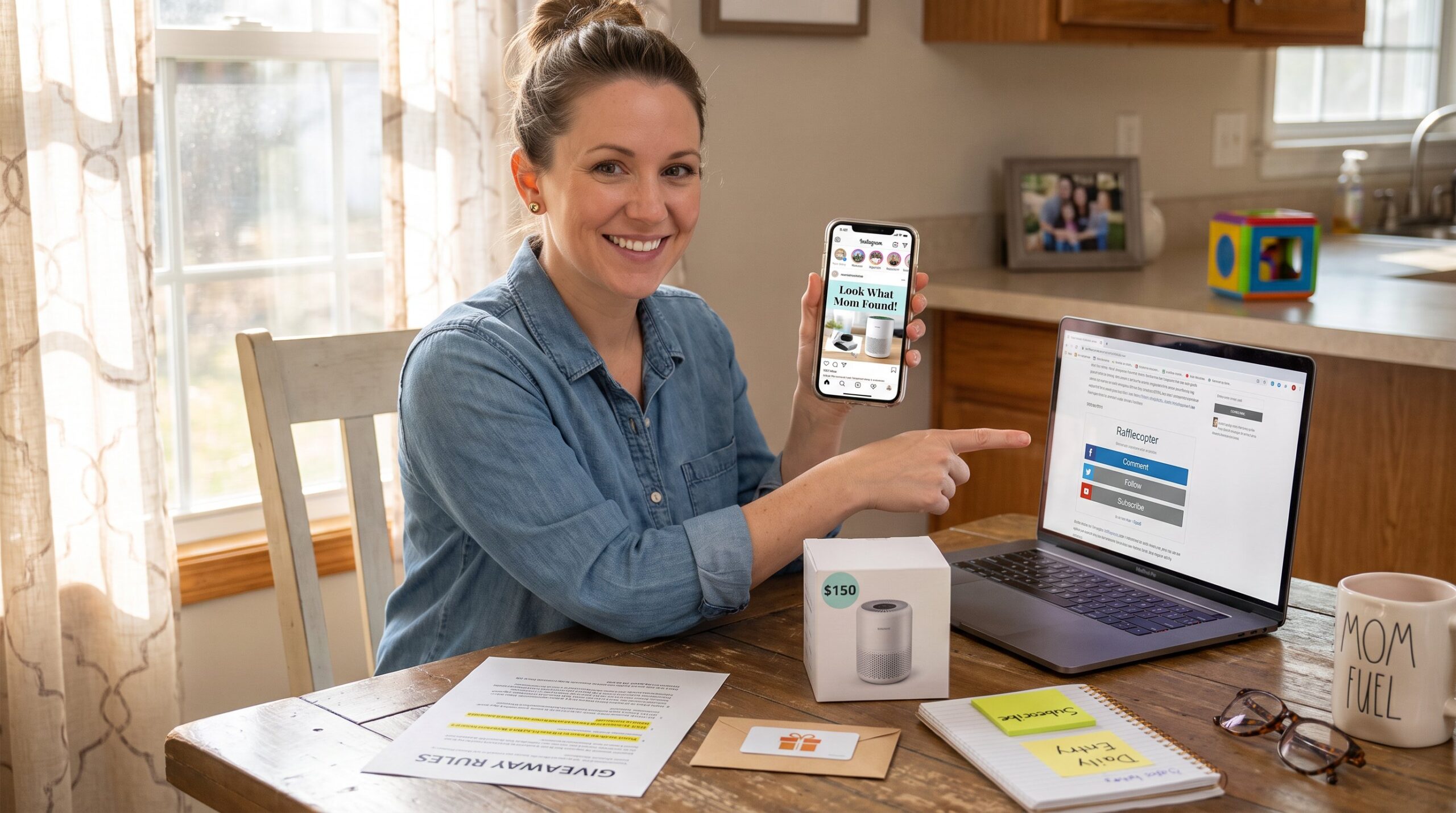
Entry mechanics are simple and repeatable. Typical actions include leaving a blog comment, following social accounts, subscribing to a newsletter, or using a giveaway widget like Rafflecopter or Gleam. These widgets collect entries and enforce rules. For concrete examples of widget-driven entries, the site lays out entry flows in its posts about how to enter and win. One useful resource on the site shows how to navigate those widgets and stay safe when entering multiple contests.lookwhatmomfound giveaways
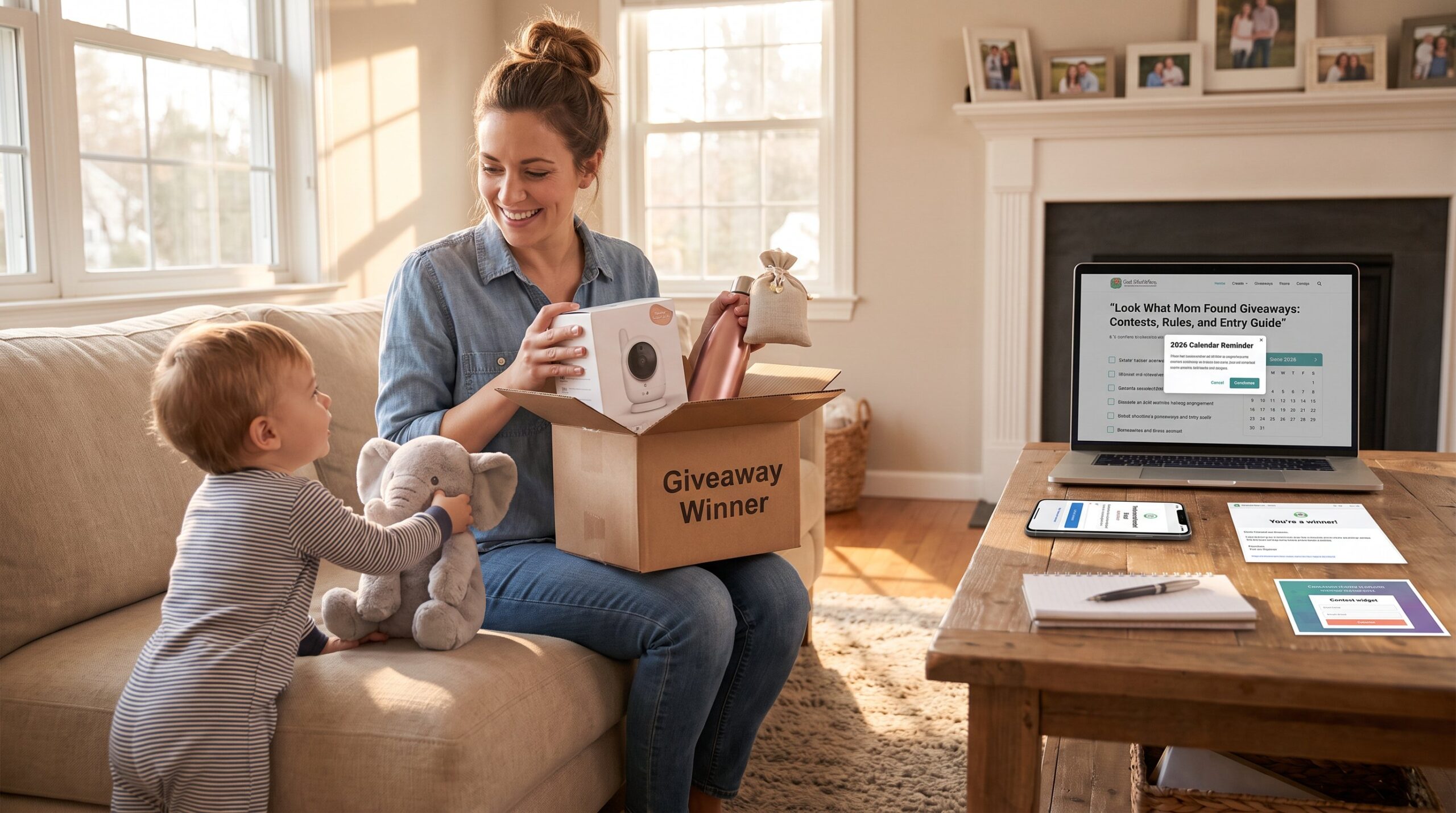
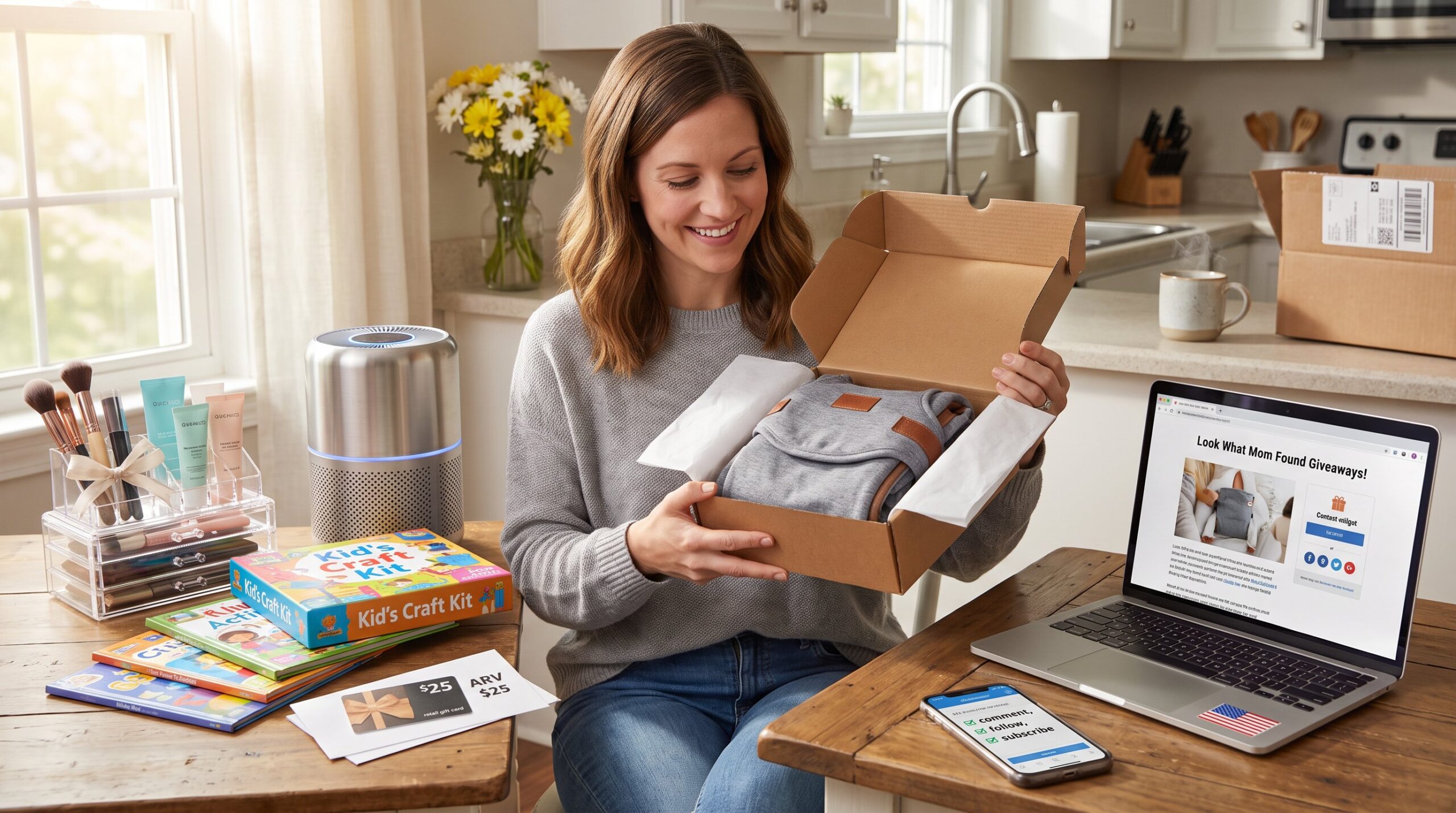
Prizes vary from household items and beauty products to electronics and gift cards. Sponsors typically provide the product, set prize details, and approve shipping arrangements. The blog often posts sponsor names, product photos, and prize values in the giveaway announcement. When a sponsor ships a prize directly, winners only need to provide a mailing address, not bank details. The post that explains how to win and what you can win also breaks down typical prize lists and sponsor responsibilities for 2026.lookwhatmomfound, win, enter
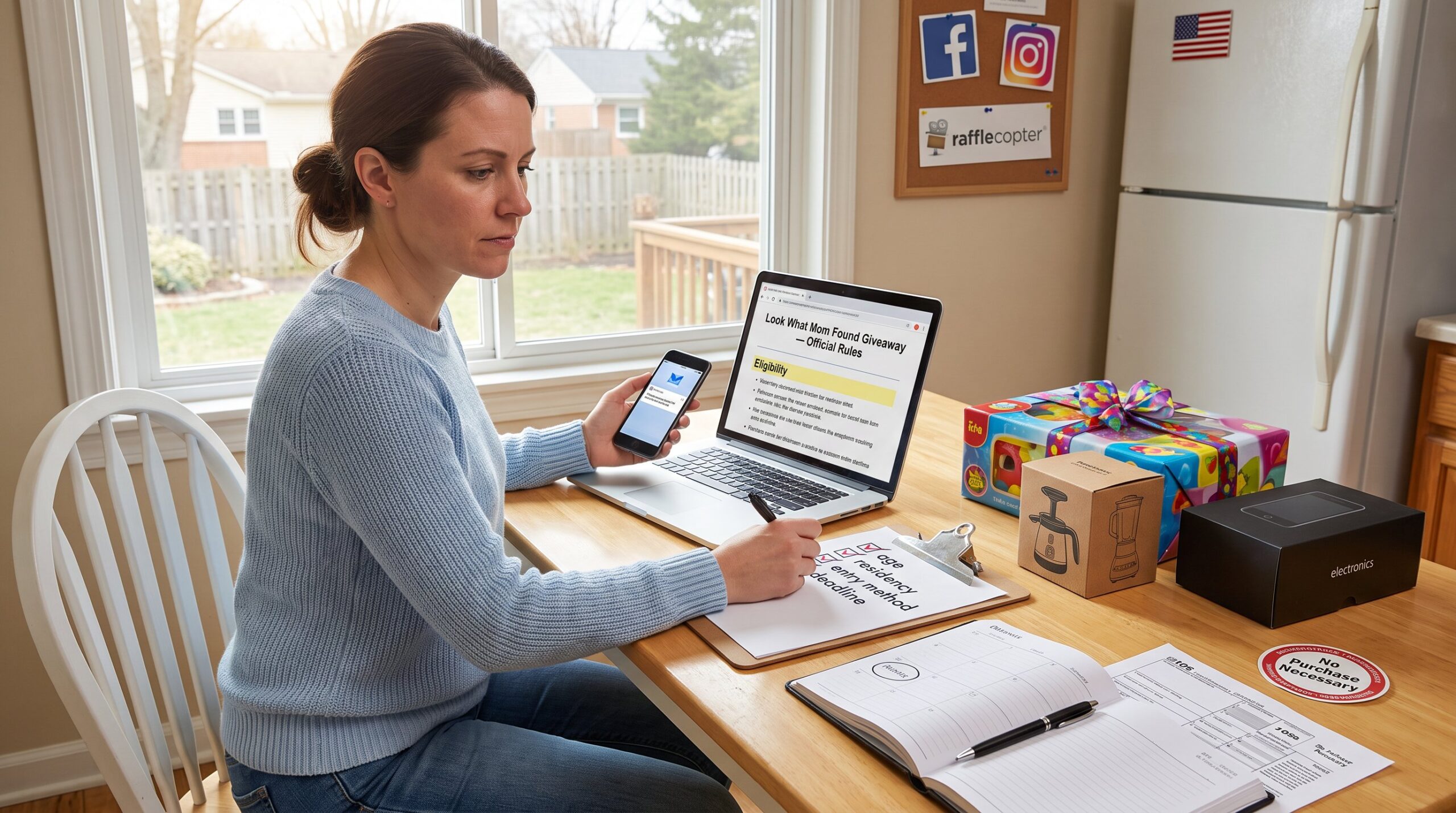
Winner selection is normally random. The blog notifies winners by email or social message and asks for shipping details. If a giveaway uses an official rules page, that page will list eligibility, deadlines, and the exact method for winner selection, which keeps the process transparent.
Common Risks And Red Flags To Watch For (Privacy, Scams, And Fake Promotions)
Possible phishing, impersonation, and sensitive-data requests should be considered separately from assessing a giveaway’s legitimacy signals.
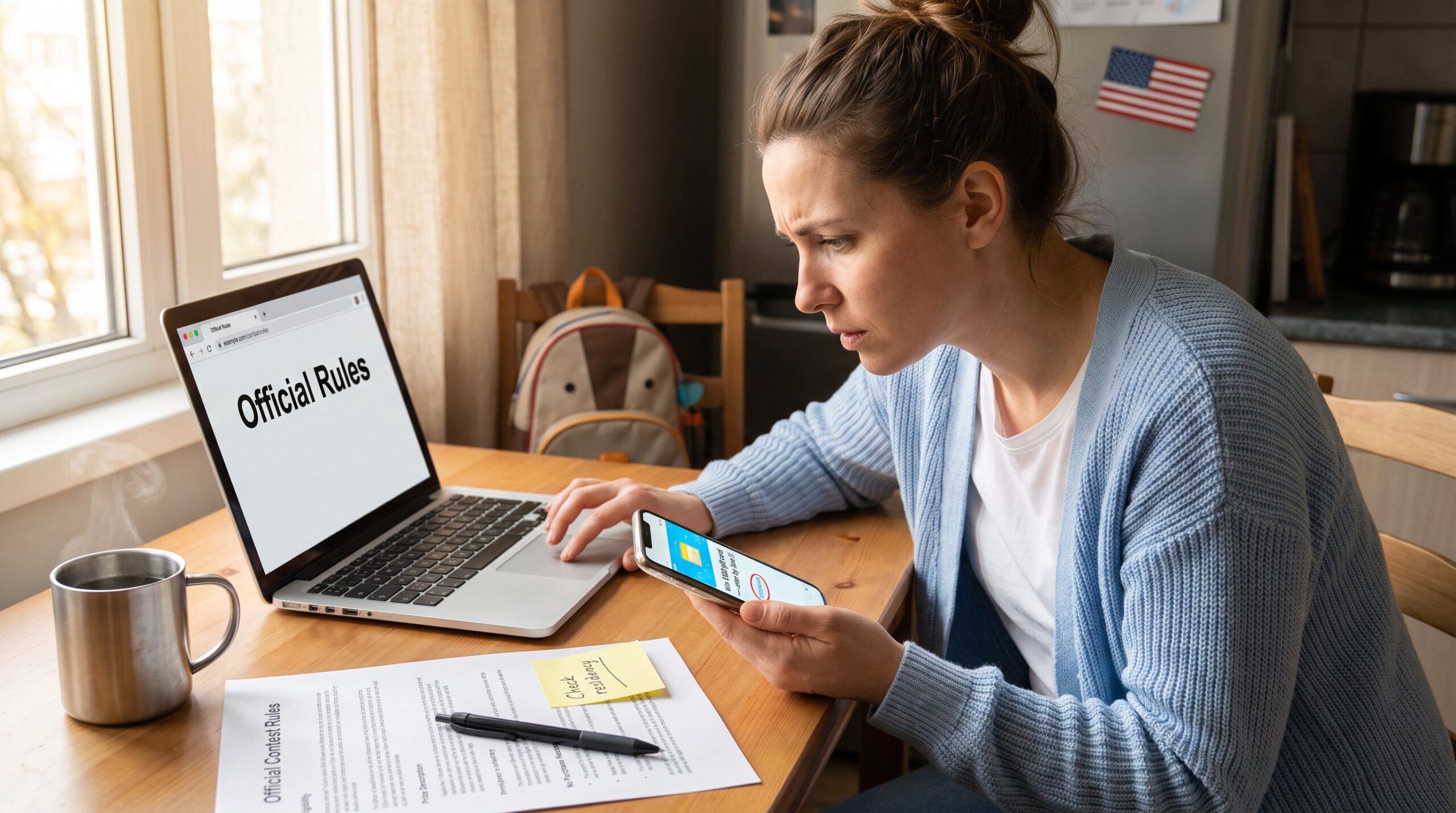
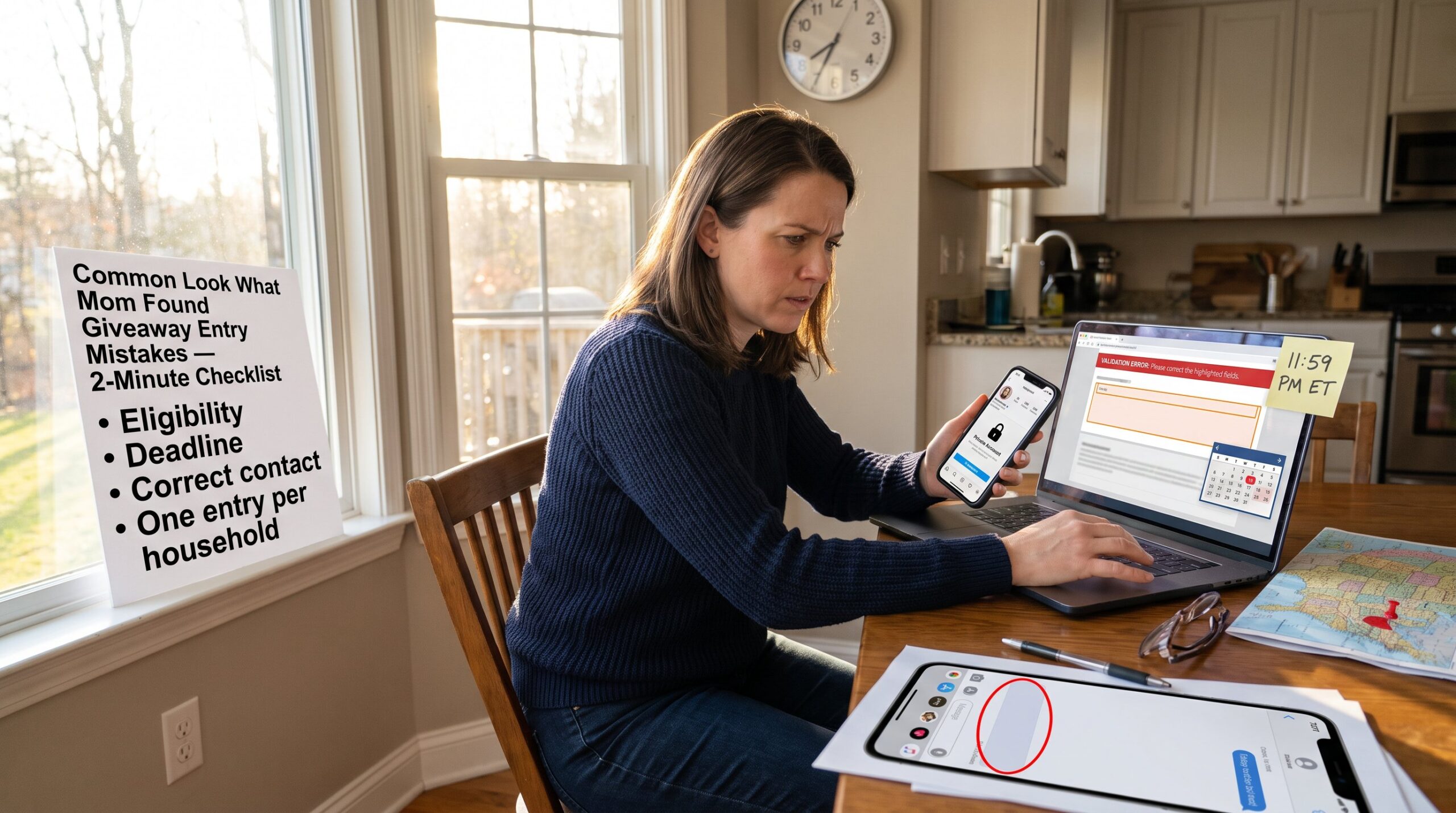
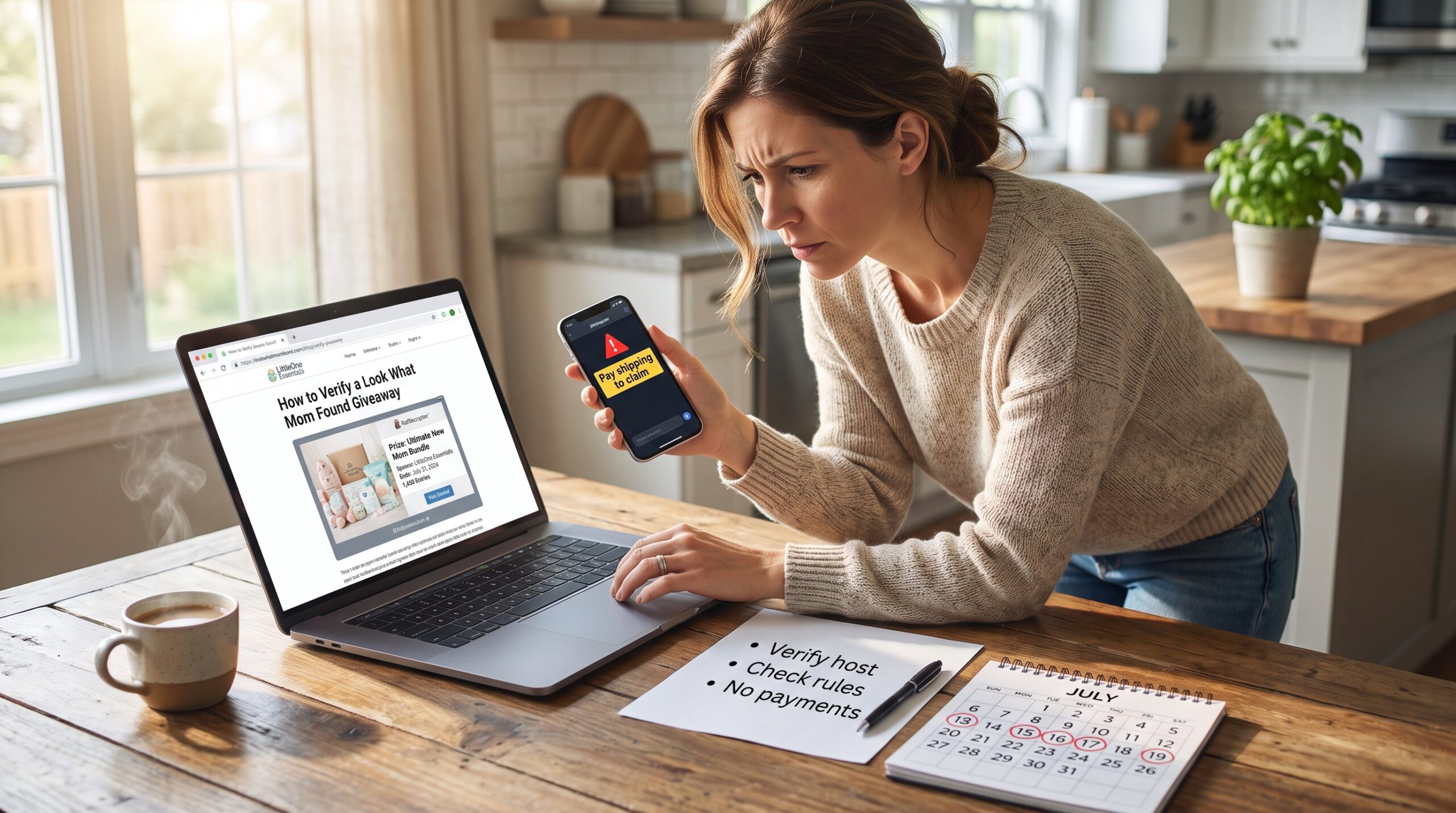
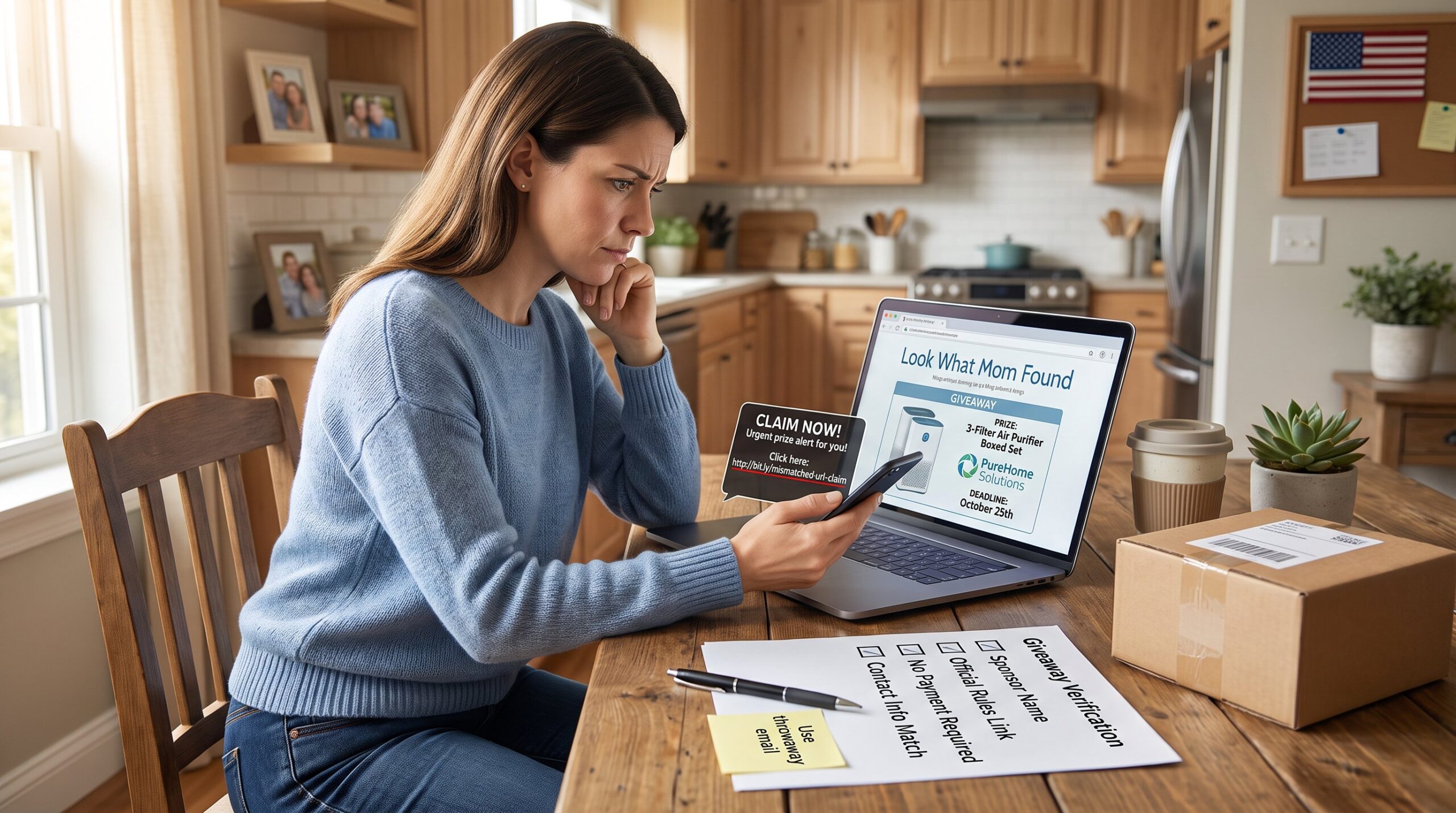
Privacy risks show up when a form asks for more than basic contact data. Legitimate giveaways will not ask for bank account numbers, Social Security numbers, or scans of ID. If a form requests payment for shipping or “tax processing,” that is a major red flag. Real sponsor-driven contests cover prize costs without charging winners.
Scams take two common shapes. One is a look‑alike website that mimics the blog’s design but uses a different domain or extra words in the URL. Another is a fake social post claiming a brand-run contest that the brand never authorized. To see how viral gift-exchange scams can be structured and why they mislead people, reputable reporting explains the warning signs and legal concerns behind hoax exchanges.viral giveaway scam analysis
Design and credibility clues matter. Poor layout, missing contact info, or numerous intrusive ads often mean the page is not legitimate. Also watch for unrealistic prize claims: a new high-end laptop for a single simple share is unlikely. For a practical overview of giveaway basics, entry types, and common pitfalls across sites and social networks, an industry guide covers the core mechanics people should expect.giveaway basics guide
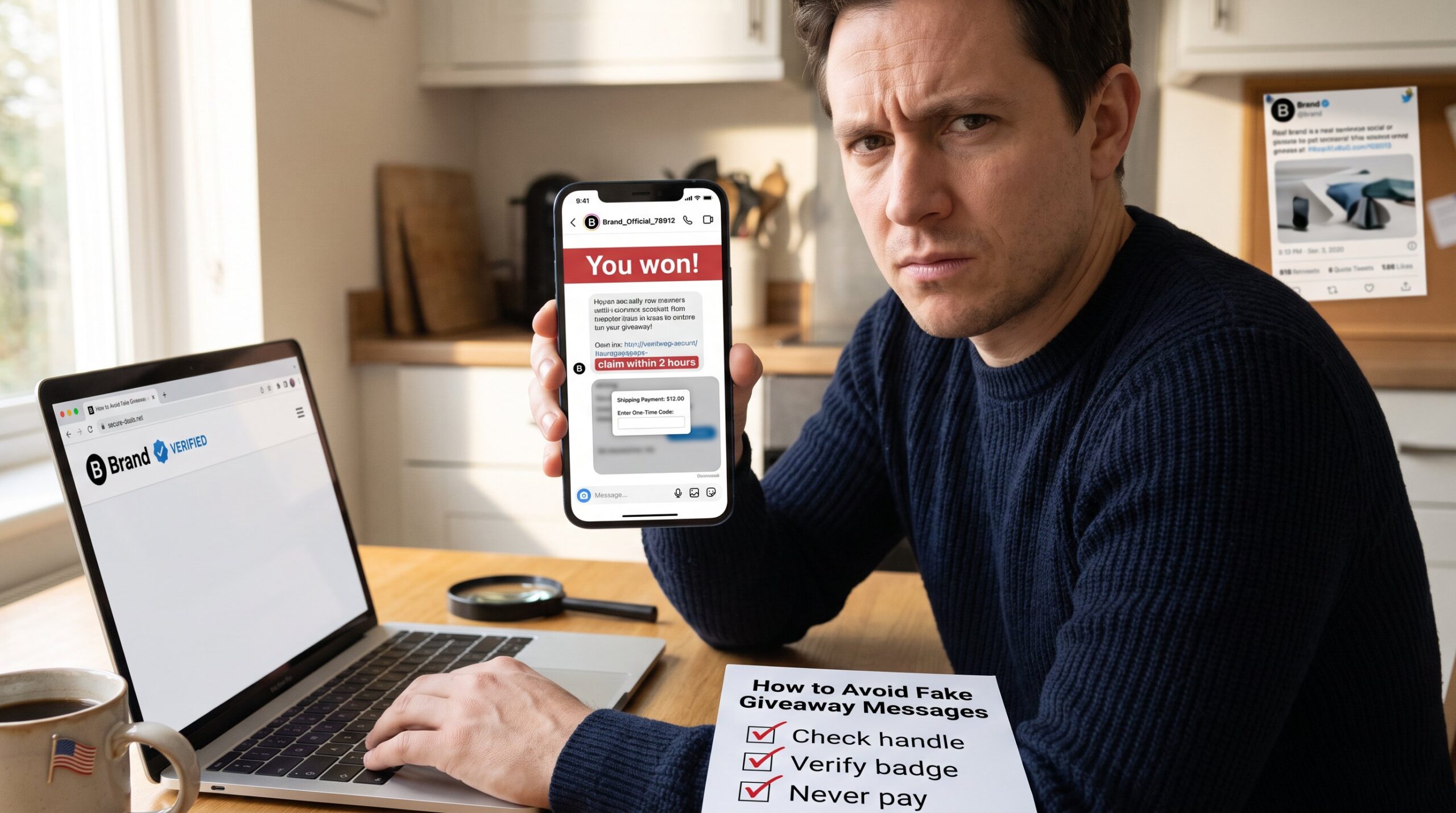
Concrete example: a fake post once asked winners to “pay $9.95 processing” before shipping. That demand immediately indicated a scam. People who paid then lost money and received no prize. That kind of pattern repeats in documented scams.
How To Protect Yourself Before, During, And After Entering (Permissions, Email Safety, And Account Security)
Fact: Protecting personal data and email security stops most giveaway threats before they happen.
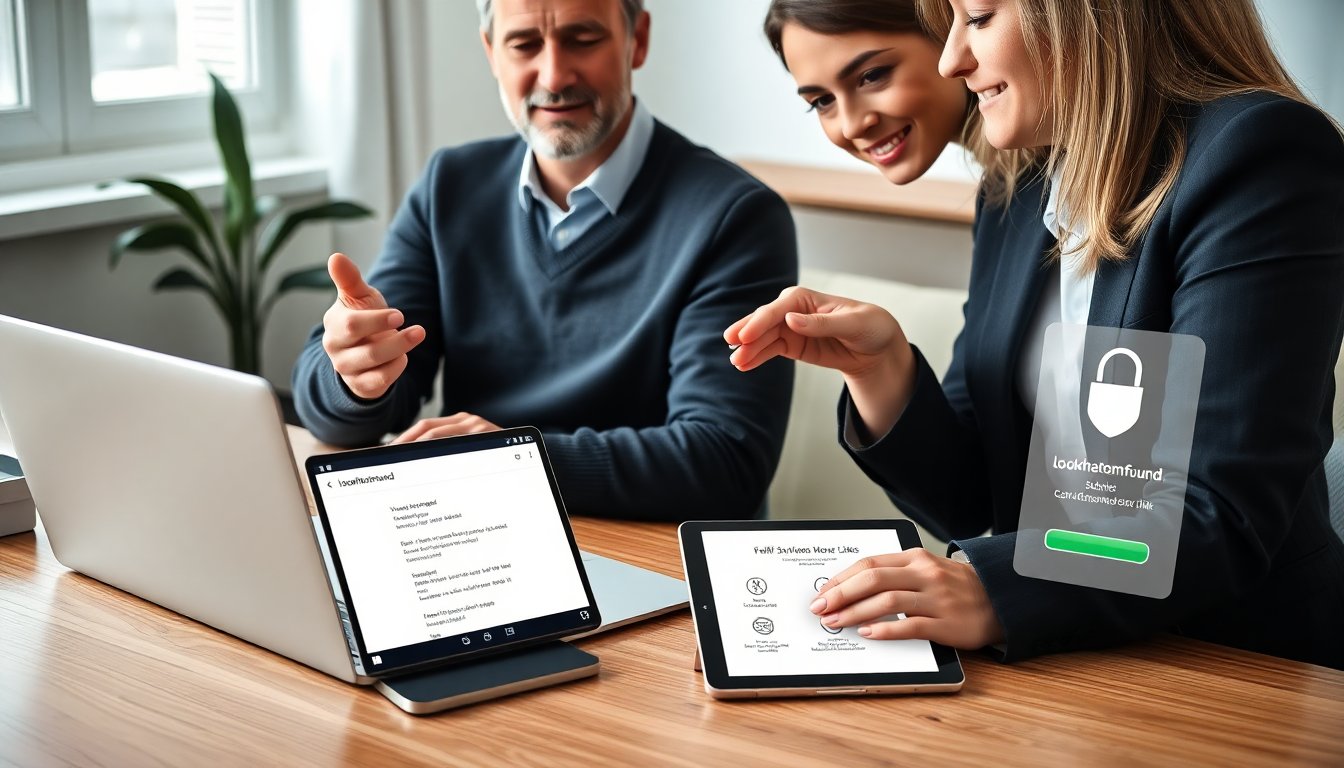
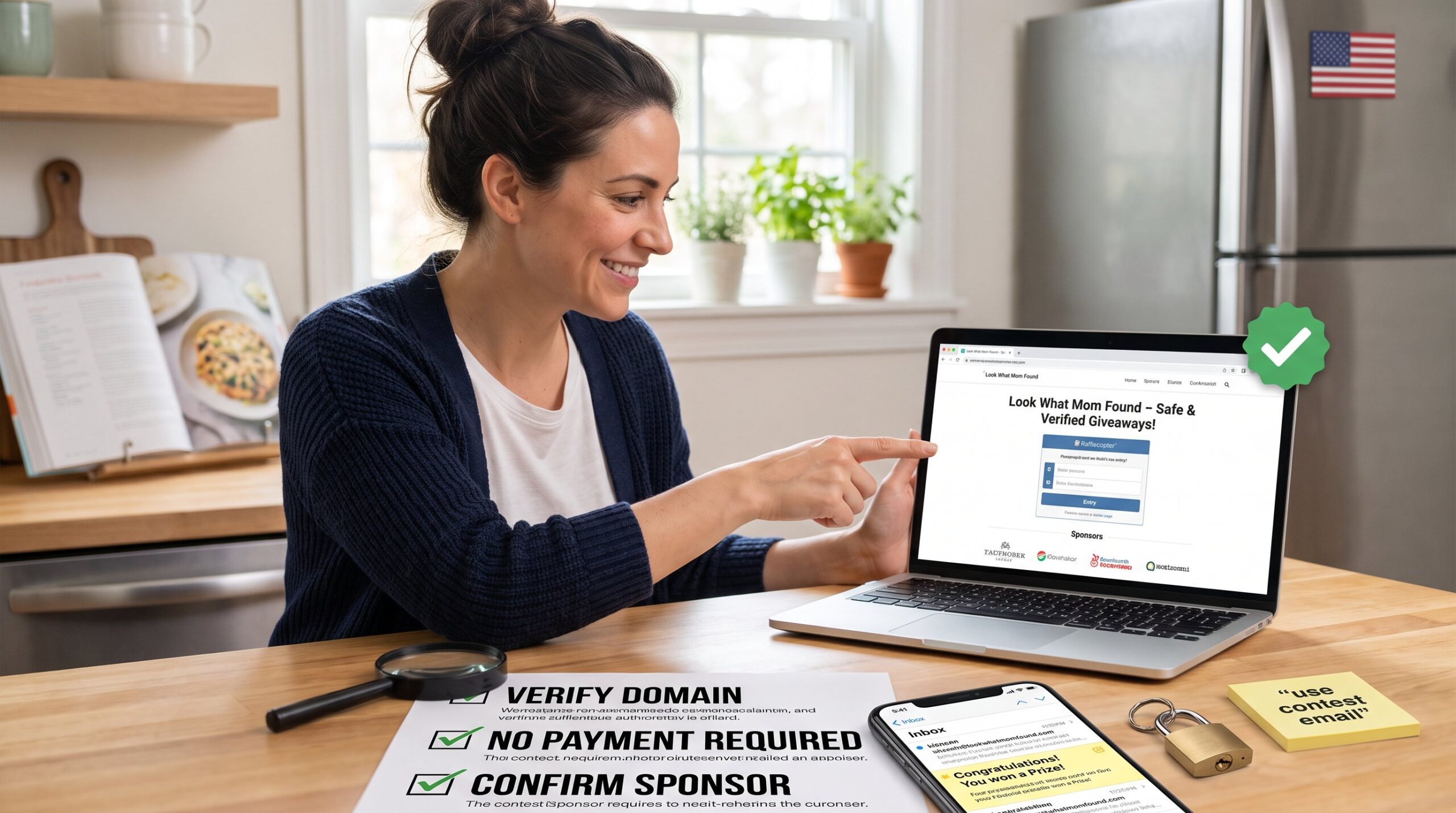
Before entering, verify the domain and the giveaway post. Confirm the article is a standard blog post with archives and an author byline. The site’s posts about inside giveaways and how to enter provide examples of legitimate posts versus copies. If the entry uses a widget, the post will name the tool, Rafflecopter or Gleam, so people can confirm the widget’s URL and privacy behavior.giveaways, lookwhatmomfound
During entry, limit shared data. Give only a name, email, and shipping address if required for prize delivery. Never provide payment info. Use a separate email address dedicated to contests to reduce spam and prevent credential overlap with primary accounts. Enable two‑factor authentication on any social account used to enter. That step prevents account takeover if a malicious actor tries to use connected app permissions.
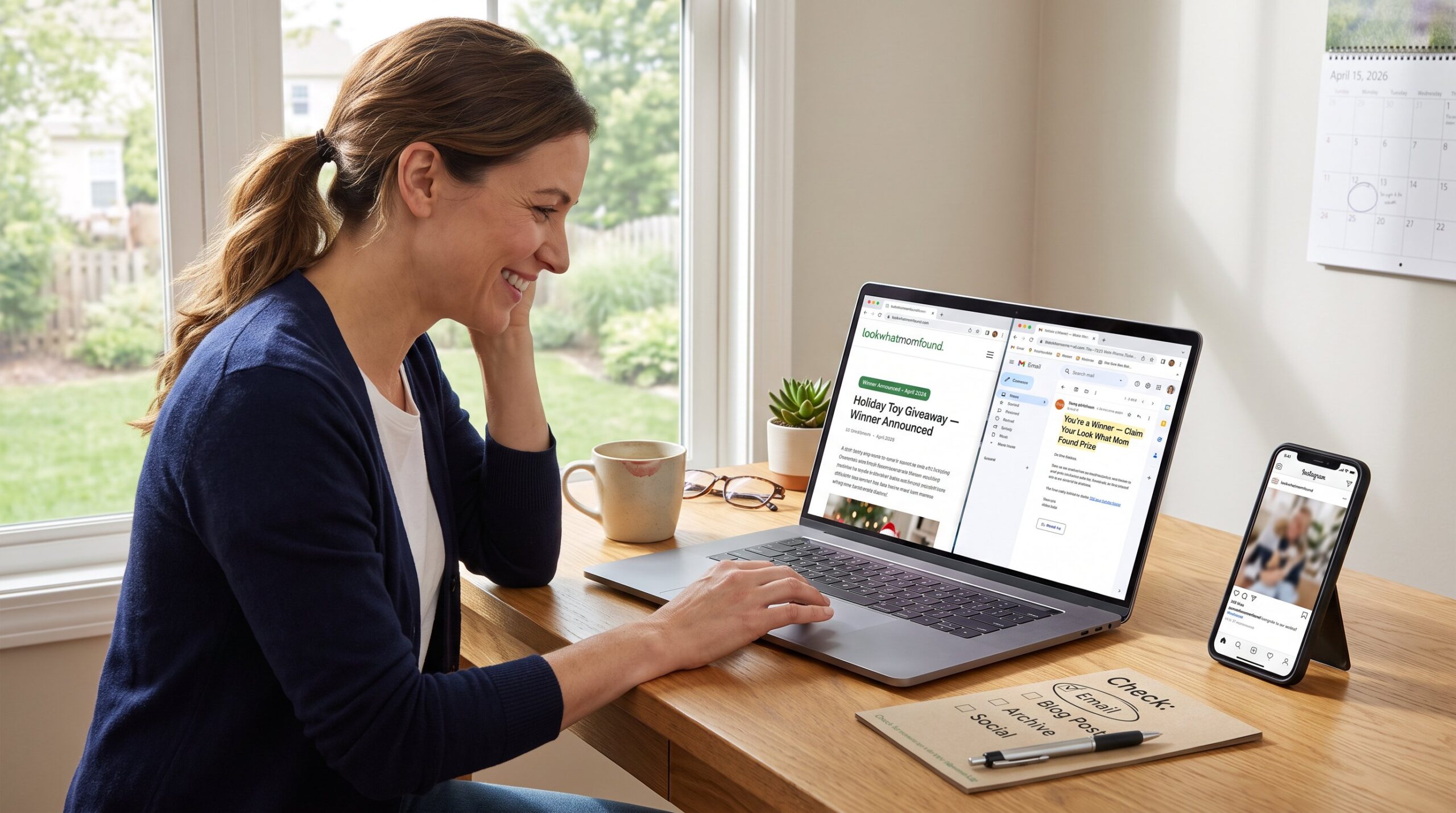
After entering, watch for suspicious messages claiming to be from the blog or sponsor. Real winner notifications will match the blog’s tone and use the blog’s email domain or verified social account. If an email asks for payment or sends unfamiliar links, do not click them: instead, compare the message to the blog’s official contact page and double-check the giveaway post. If an account link prompts OAuth-like access requests, people should deny access unless the action is required and familiar.
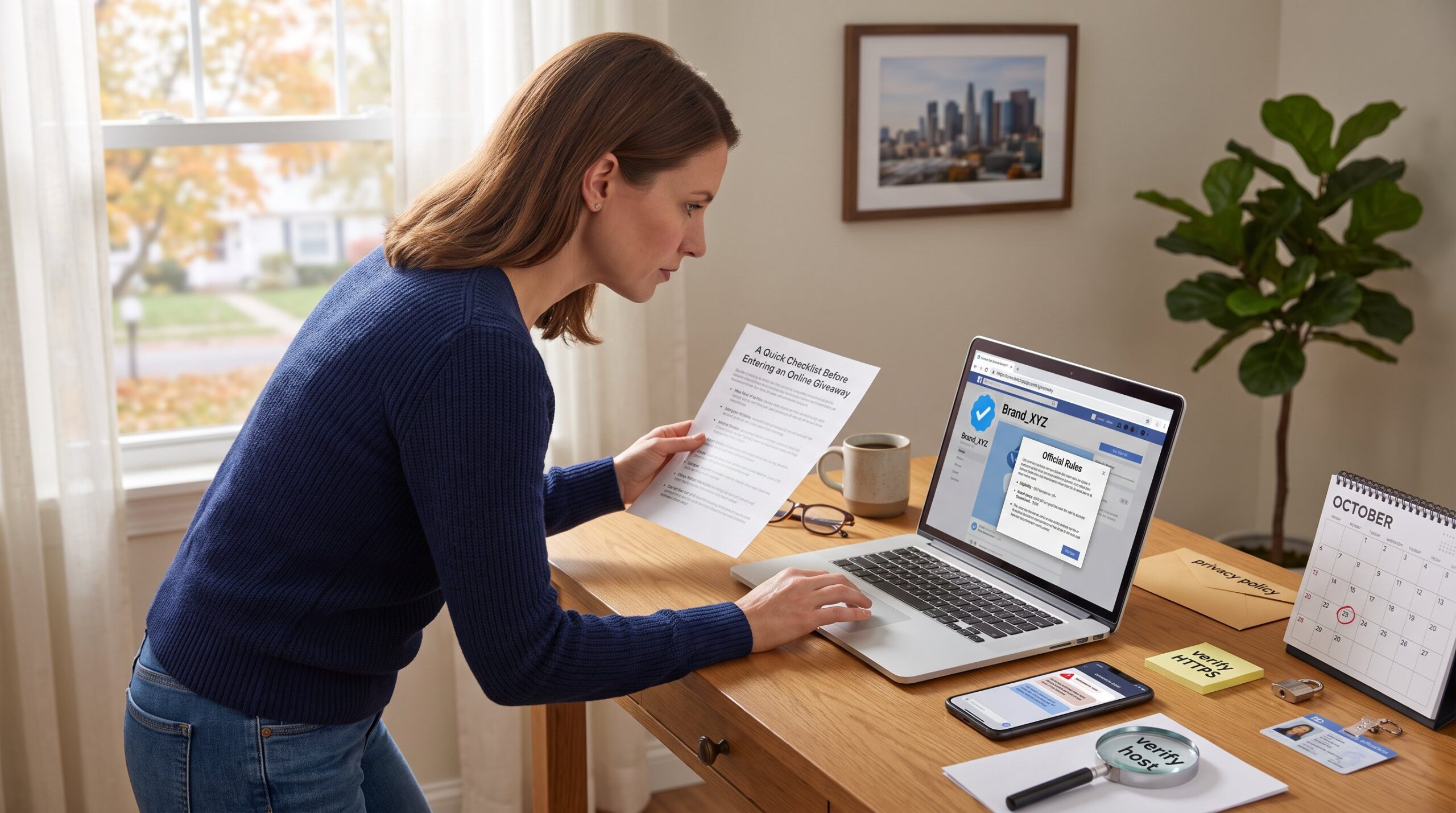
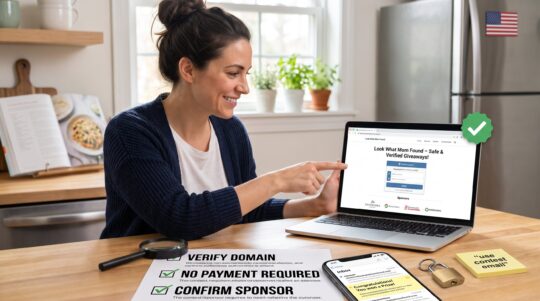
Practical Pre-Entry Checklist: 10 Simple Steps To Verify A Giveaway Is Legit
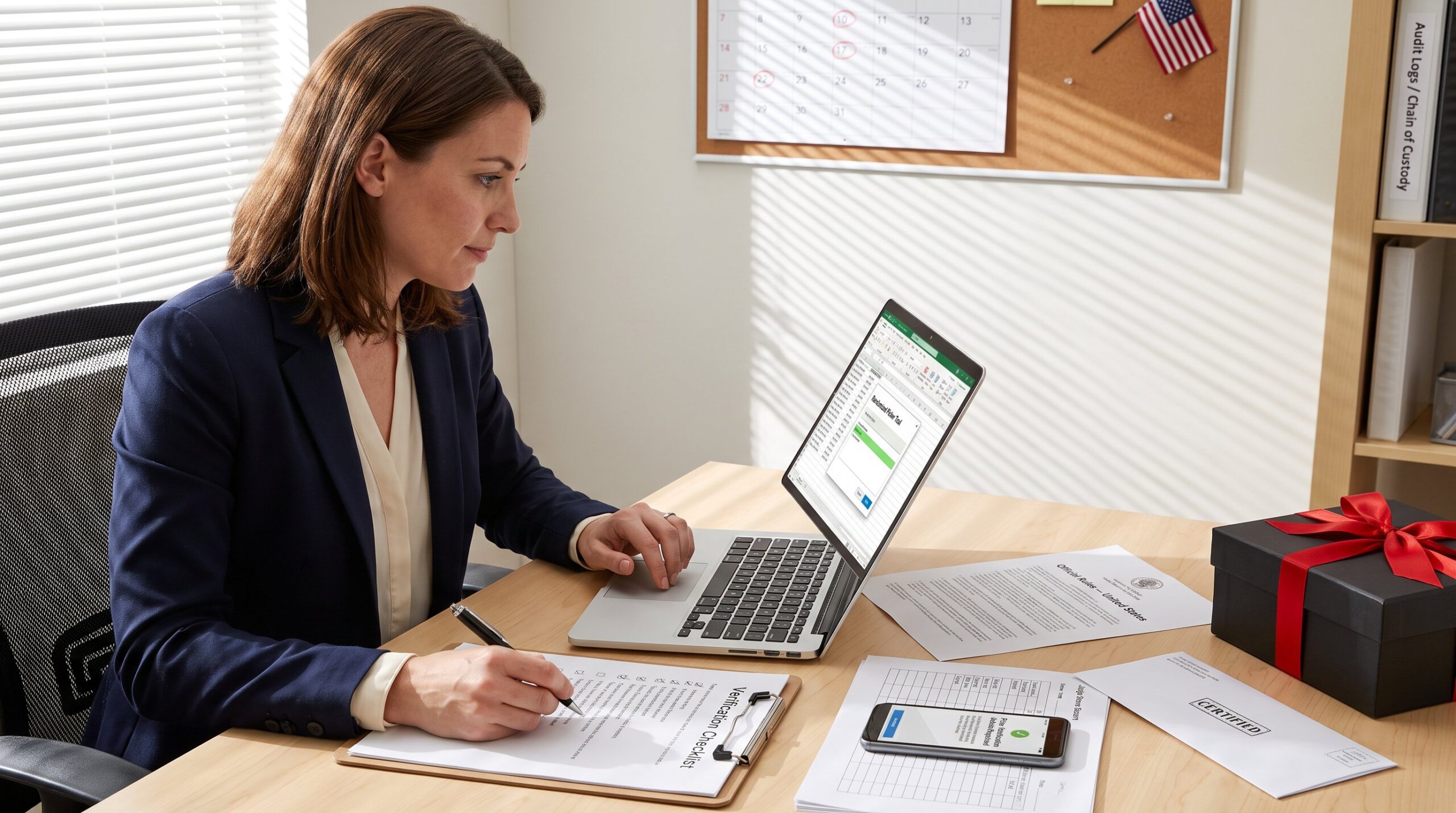
Before responding to a promotion or message, readers can follow steps for verifying a Look What Mom Found giveaway and compare each detail with the current published terms.
-
Confirm the domain is the official blog entry and not a variation. The site’s navigation and archive records help verify authenticity.how to win, simple steps
-
Check site history and archives for consistent publishing since 2008. A long record supports legitimacy.
-
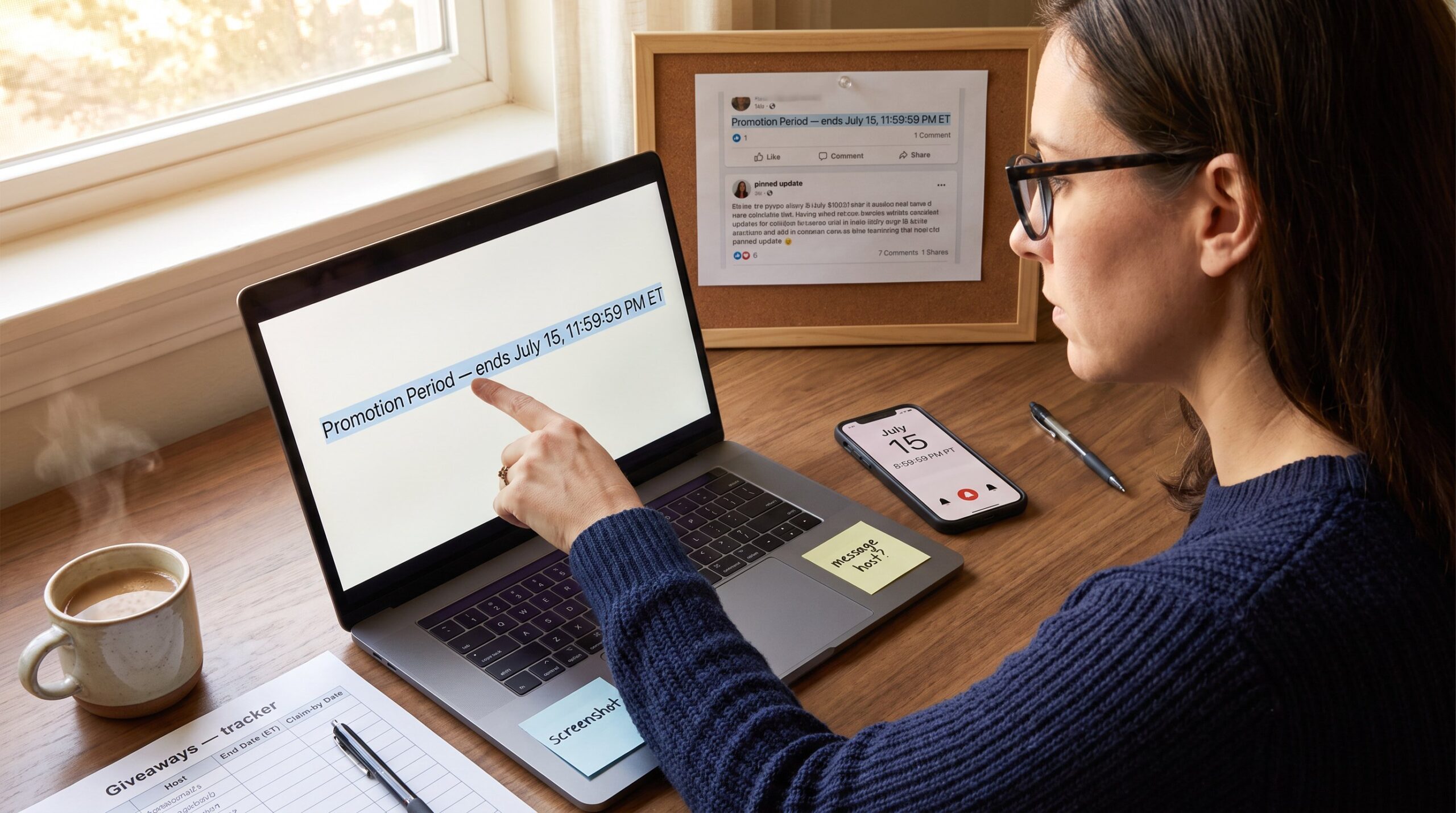
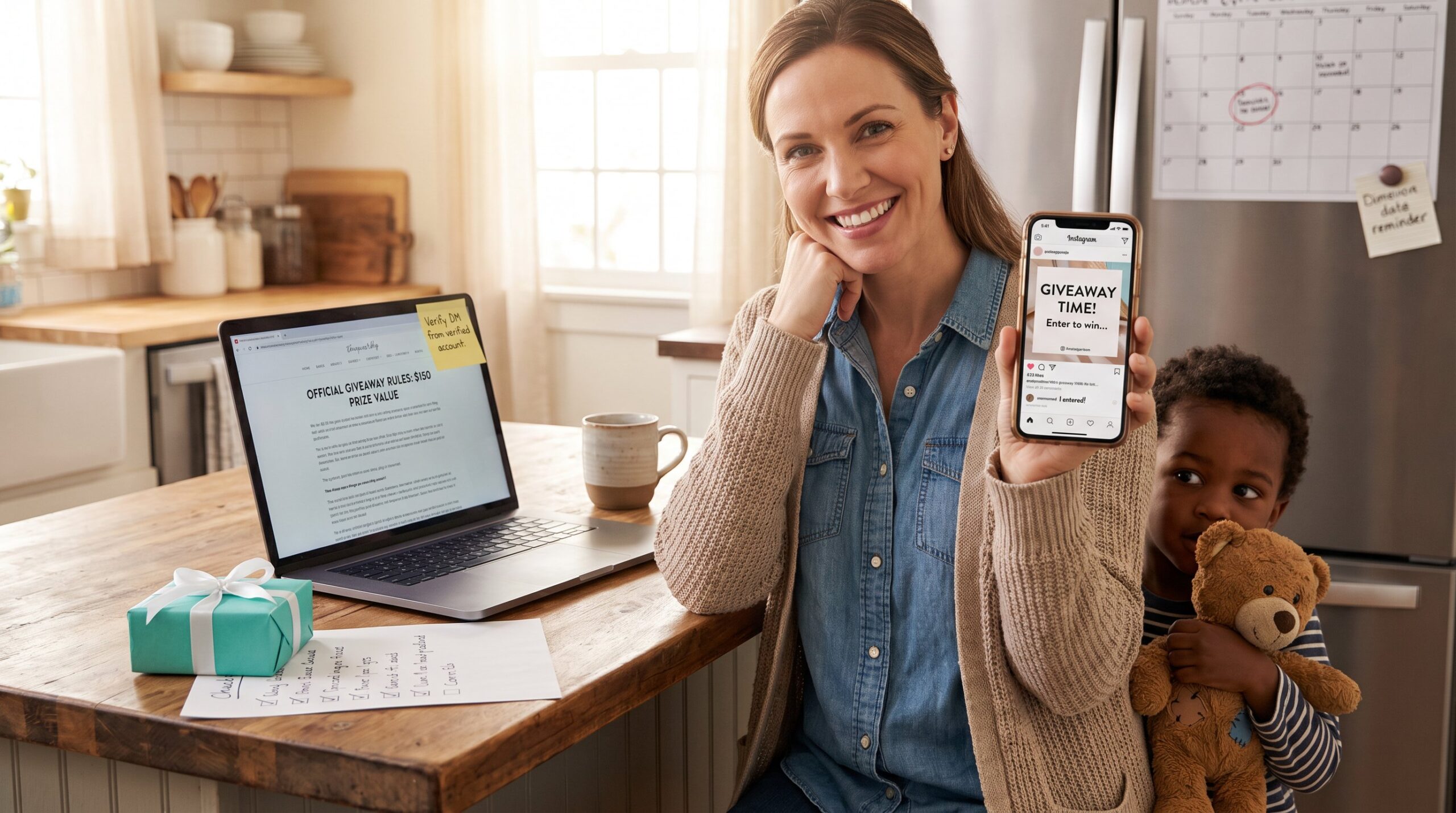
Read the giveaway post fully for rules, deadlines, and eligibility. Look for clear prize descriptions and sponsor names.rules, entry, guide
-
Verify the sponsor details and product photos. Real brands are named and linked in the post.
-
Confirm there is no purchase required. If a post requires payment to enter, do not proceed.
-
Identify the entry tool. Legit widgets like Rafflecopter and Gleam have recognizable layouts. Avoid anonymous external forms.
-
Check contact information and active social pages for the blog. An active social presence with historic posts helps validate the owner.lookwhatmomfound guide
-
Evaluate site design and advertising. If the page is overloaded with pop-ups or broken links, treat it cautiously.
-
Review requested data and stop if it asks for finances, SSN, or ID images.
-
Search the brand’s official accounts to verify the giveaway. Many brands post warnings when fake contests circulate. If a brand’s profile denies the contest, do not enter.
Practical warning: if a post claims a certain limited supply (“only 10 winners”) then asks for payment to “hold” a prize, that is fraudulent. Genuine sponsors do not take payment to award prizes.
Conclusion
Look What Mom Found giveaways are legitimate and safe if people enter through the official blog and follow simple safeguards. The biggest threats are impostor pages, phishing messages, and any request for payment or sensitive data. By using the checklist above and limiting shared information, readers can confidently enter and enjoy sponsored prizes in 2026.