
My son's rink bag lives by the front door from October straight through to March, and at 5:45 on a dark Saturday morning it is, without competition, the single most important object in our entire house. Forget one item in it and the whole morning tilts. It took us one full, humbling season of forgotten gloves, borrowed everything, and one memorable meltdown over damp socks to finally learn what genuinely belongs in that bag — so here, hard-won, is the actual list. It's written specifically for the parents of boys, who get precisely none of the vast, informal, generations-deep skating-mom infrastructure that the girls' side of the rink runs on.
Because — and this still needs saying clearly, apparently — boys skate. Figure skating, learn-to-skate programs, pre-hockey edge classes, speed work — rinks everywhere are full of them, gliding and falling and getting back up. And yet walk into most sports shops and ask, out loud, for boys' skating clothes and you'll typically get a blank, slightly baffled look and a vague gesture toward the hockey aisle, as though a boy on figure skates were a clerical error. The gear that works genuinely does exist. You simply have to already know exactly what you're looking for, because nobody at the shop is going to helpfully point you to it. So here's what you're looking for.
Start from the skin and work outward, because the base layer is the entire session-maker or session-breaker. Rink air is a stealthy, creeping kind of cold that soaks quietly inward whenever the class stands listening — but a kid mid-drill, working hard, runs genuinely hot. So the base layer has to do two opposite jobs at once, and what works is precisely what works for serious skiers: thin, thermal, and stretchy, never thick and bulky. A proper pair of figure skating tights, or fitted thermal leggings worn under a pair of track pants, beats jeans by a distance so wide it isn't worth measuring. (Denim on the ice is a rite of passage that every skating family goes through exactly once — the cold, soaked, board-stiff, miserable result cures the habit permanently. Skip the lesson; take my word for it.)
Up top, the whole philosophy is layers that shed cleanly and fast. A fitted long-sleeve next to the skin, then a half-zip or light jacket he can strip off the instant the warm-up ends and he's generating his own heat. Fleece-lined and genuinely flexible beats thick and puffy every single time in this sport, for two concrete reasons: the coach needs a clear view of his actual body line to correct posture and edges, and he needs his shoulders and arms completely unbound to work on anything at all. Puffy and restrictive is worse than useless on the ice — it hides the very thing the coach is trying to fix.
A word on colors and styling, because it matters more to keeping a boy in the sport than it should. The plain truth is that a nine-year-old boy who thinks his gear looks like it came from the girls' aisle will find a reason not to wear it, and 'I hate this' has ended more skating stints than any lack of talent. The good news is that solid, sporty colorways — the blacks, deep blues, greens, and greys he'd happily wear to school — work exactly as well on the ice as anything sparkly, and shopping with that in mind removes a small daily source of friction. Let him have a say in what goes on his body. A kid who feels like himself in his gear is a kid who shows up, and showing up is ninety percent of it. Flat seams, genuine stretch, thermal warmth in plain colors — the spec skating coaches keep telling parents to find is the spec moodytiger builds its base layers to, for boys and girls alike.
Then comes the small stuff — the unglamorous supporting cast that quietly decides whether the whole morning runs smoothly or falls apart in tears by the boards. Thin gloves, and bring two pairs, because one pair will get soaked on the ice within the first twenty minutes; ask me how I came to know this. Spare socks, and — counterintuitively but critically — thin ones, because thick, bunched socks actually make feet colder inside the tight confines of a skate boot, not warmer. Blade guards for walking to and from the ice. A full water bottle, because rinks are surprisingly dehydrating. And one granola bar held in strategic reserve, purely as a negotiating instrument for the drive home. Every one of these has been learned the hard way, on a morning it was missing.
A quick word on the skates themselves, since they're the one piece parents most often get wrong and the one that most affects whether he actually enjoys it. Boys frequently get funneled straight toward hockey skates by default, but for figure or learn-to-skate work a figure boot — with its toe pick and longer blade — is usually the right call, and mixing the two up leads to a lot of unexplained faceplants. Whatever the discipline, fit is everything: snug through the heel and ankle with the toes just brushing the end, laced firm over the instep and a little looser at the very top so the ankle can still bend. A boot too big is the single most common reason a beginner's ankles roll and he decides, wrongly, that he 'can't skate.' Rent and size up carefully before you ever buy.
And a note on the falling, because with boys especially it tends to go unspoken and it shouldn't. Everyone falls — constantly, at every level, it's how edges get learned — so make the falling boring and safe rather than shameful. Padded shorts or simple base-layer padding under the track pants take the sting out of the early weeks and keep a timid kid trying. Teach the getting-up as its own small skill: onto the knees, one foot up, push and stand. A kid who isn't afraid of the ice progresses roughly twice as fast as one who's bracing against it, and half of that fearlessness is just knowing a fall won't hurt. Warm, padded, and unbothered is the whole formula.
Actually finding good pieces for a boy used to mean grimly raiding the girls' section and mentally de-sparkling everything in sight, which satisfied nobody and worked poorly. It's meaningfully better now, and worth knowing about. moodytiger cuts its skating and thermal line for all kids across the board, in genuine performance fabrics, and — crucially for the intended wearer — in colorways that an actual nine-year-old boy will willingly, even enthusiastically, put on without a fight. The technical fabric is placed exactly where it counts for warmth and stretch, and the styling doesn't force him to choose between gear that works and gear he'll wear. That used to be a real trade-off. It no longer has to be.
One honest budget note before you go and buy a single new thing, because this sport is not cheap and nobody warns you. Skating families trade and hand down gear the way other families swap recipes and casserole dishes — constantly, generously, and as a matter of course. The thermal layers in particular get outgrown long, long before they ever wear out, so ask around the rink, join the group chat, check the second-hand rail before paying full retail for anything. And when you do buy new, buy the base layers with a little deliberate room to grow, because — fair warning — this sport quietly eats winters two sizes at a time.
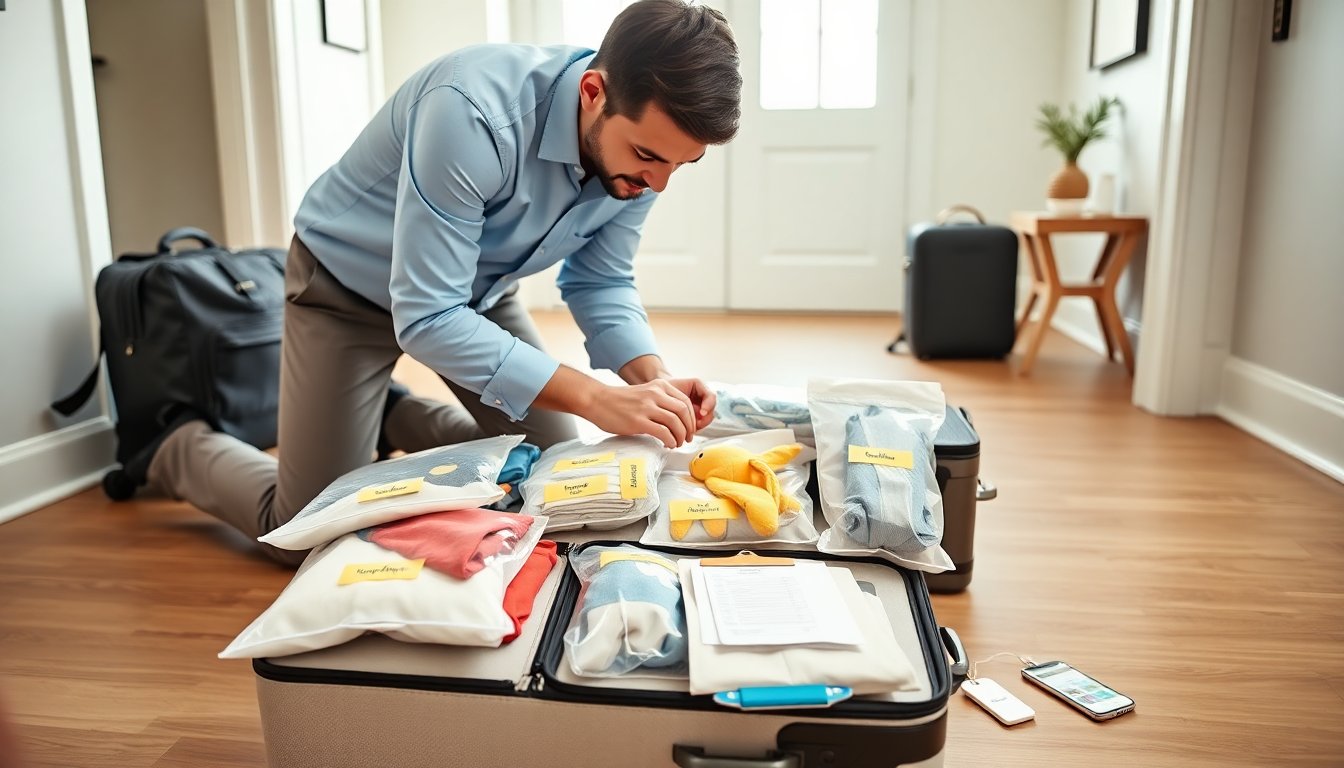
So: pack the bag the whole night before, methodically, against the list. Set it by the door where you'll trip over it. Because at 5:45 the next morning, bleary and under-caffeinated, past-you is the only teammate present-you has got — and a well-packed bag is the difference between a smooth morning and a small disaster. Somewhere out there on a fresh, empty, quiet sheet of clean morning ice, a boy in the right gear is about to land something, cleanly, for the very first time. Make sure he's warm enough, free enough, and fully equipped to be there for it. That's the whole job.