
Winter heating can lower indoor relative humidity enough to dry the moisture-sensitive surfaces of the nose, throat, lips, eyes, and skin. Children may develop chapped lips, dry or itchy skin, irritated nasal passages, sore throats, or occasional nosebleeds. A child who already has a cold may also find dry nasal secretions harder to clear. These are some of the situations in which parents may start considering a humidifier for kids.
Babies can be especially uncomfortable because they rely heavily on breathing through their noses. When the nasal lining becomes dry and mucus thickens, feeding and sleeping may feel more difficult during a respiratory infection. A baby can sound "stuffy" without having a large amount of mucus simply because infant nasal passages are narrow. This is one reason parents often consider a baby humidifier during the heating season.
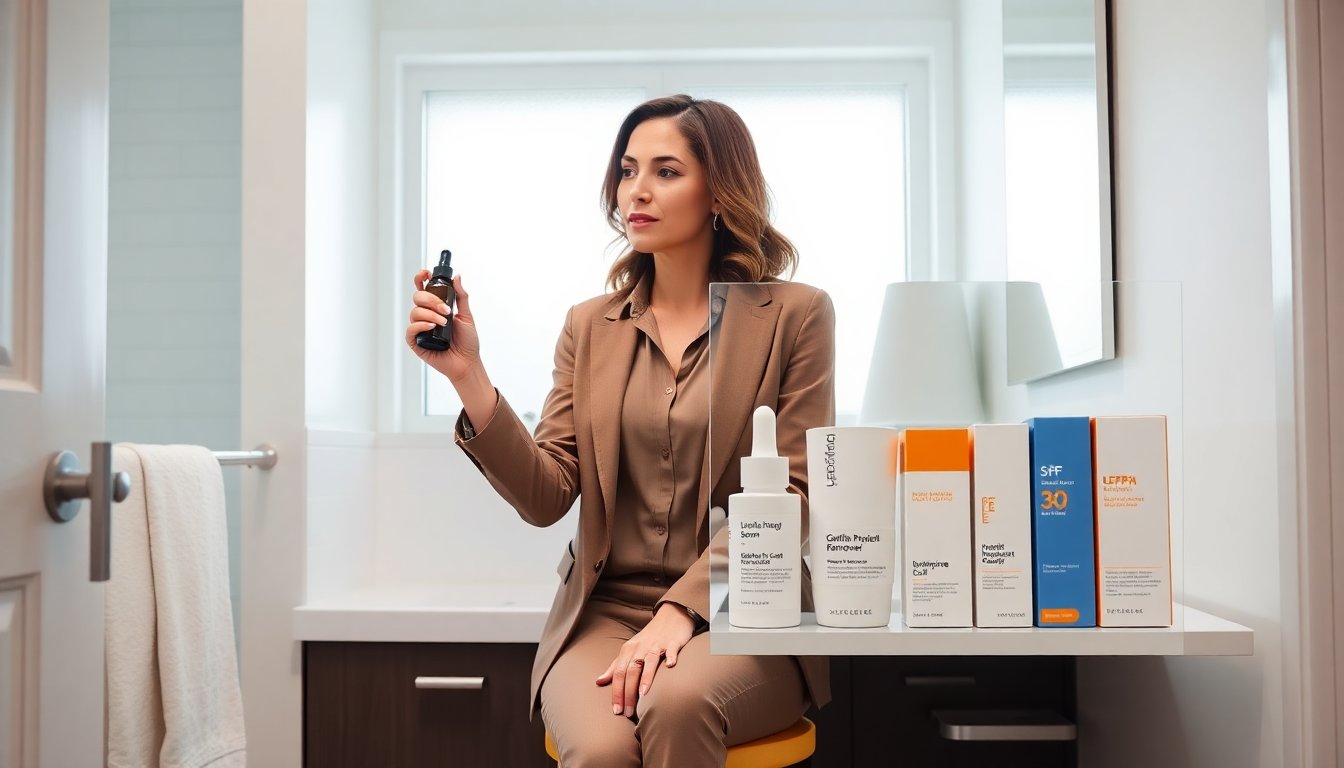
A useful first step is to measure the room rather than judging dryness by the outdoor weather. Dryness can vary dramatically within the same house. A nursery above a heated garage, beside a radiator, or near a supply vent may be much drier than a living room downstairs. A small hygrometer can show the relative humidity where the child actually sleeps, which gives more useful information than relying on a whole-home thermostat reading. The EPA and Mayo Clinic generally recommend keeping indoor relative humidity around 30% to 50%.
Dry air can contribute to irritation, although it does not explain every winter symptom. Persistent coughing, wheezing, fever, eczema flares, allergy symptoms, or significant congestion may have another cause and deserve appropriate medical attention. A kids humidifier should therefore be viewed as one possible environmental comfort measure rather than the answer to every winter symptom.
When A Humidifier For Kids Can Help
A humidifier is most useful when the room is genuinely dry. Raising very low indoor humidity into a comfortable range can reduce dryness of the nose, throat, lips, and skin. During a cold, a cool-mist humidifier may also make nasal passages feel less dry and help a child tolerate congestion or coughing more comfortably. Evidence for humidifiers as a cold treatment is limited, so they are best viewed as a comfort measure rather than something that cures an infection or shortens its duration.
For example, a child who wakes with a dry throat, develops small nosebleeds in winter, has cracked lips, or becomes noticeably more comfortable after spending time in a less-dry room may benefit from modest humidification. In these circumstances, a humidifier for kids may help by correcting excessive dryness rather than treating the underlying cause of the symptoms.
Congestion is more complicated. Humidity can keep nasal secretions from becoming excessively dry, but it does not open the nose in the same way a decongestant would. A child with significant swelling from a virus or allergies can remain congested even when the humidity is ideal. For congestion, age-appropriate saline drops or spray can directly moisten nasal passages, while fluids and normal hydration help keep secretions from becoming excessively thick. Mayo Clinic includes cool-mist humidification and nasal saline among supportive measures for children with colds.
Coughing can also have several causes. A dry, irritated throat may feel better in properly humidified air, while coughs caused by asthma, postnasal drainage, reflux, or infection may change very little. This is why a child's humidifier can sometimes improve comfort without changing the illness itself.
For dry or eczema-prone skin, correcting an overly dry room may reduce environmental dryness, although a humidifier does not replace moisturizers or a child's prescribed skin-care plan.
If the room is already in a comfortable humidity range, increasing it further is unlikely to solve symptoms caused by allergies, asthma, infection, smoke, fragrances, dust, or another irritant. That distinction matters because parents can otherwise keep increasing the humidifier output while treating the wrong problem.
Choosing A Kids Humidifier
For a child's room, practical safety and maintenance features matter more than cartoon styling or the number of mist settings. When choosing a kids humidifier, parents should focus primarily on safe operation, appropriate output, and whether the machine can be cleaned thoroughly.
Look for a cool-mist model, since pediatric households should avoid humidifiers or vaporizers containing very hot water that could cause burns if touched or spilled. Mayo Clinic specifically recommends cool mist for children for this reason.
One overlooked feature is how easily the humidifier can be completely cleaned. A good nursery humidifier should have a tank and base that parents can easily reach, wash, rinse, and dry. Before buying one, imagine having to wipe every surface that stays wet. Wide tank openings, removable water-contact parts, smooth surfaces, and minimal hidden channels usually make maintenance easier. Complicated tanks with narrow openings, hidden channels, or inaccessible crevices can make routine cleaning harder.
Parents should also match output to room size. A powerful humidifier in a small nursery can raise humidity very quickly, especially with the door closed overnight. The best child's humidifier for a particular room is therefore not necessarily the largest or most powerful model.
Useful features include adjustable output, automatic shutoff when the tank is empty, and ideally a built-in humidistat. A separate hygrometer placed elsewhere in the room can still be valuable because the sensor inside a humidifier measures conditions close to the machine.
Consider noise and indicator lights if the unit will run during sleep. A constant low hum may be easier to sleep through than intermittent bubbling, clicking, or beeping. Check the manufacturer's instructions for filter replacement, acceptable water types, cleaning procedures, and whether any component is dishwasher-safe.
Avoid assuming that essential-oil compatibility is a benefit for a nursery. Humidifiers are designed to add water vapor or mist to the air, and additives should only be used when the manufacturer explicitly states that the machine is designed for them. Mayo Clinic advises against adding products to humidifier water.
How A Child’s Humidifier Differs From Standard Models
There is no special category of humidity that children require. A "kids humidifier" and a standard portable humidifier may use the same basic ultrasonic, evaporative, or impeller technology. The term "kids humidifier" often describes the design, size, lighting, or marketing rather than a fundamentally different humidification technology.
A standard room humidifier can therefore work perfectly well in a child's bedroom when it has the right capacity, uses a child-appropriate design, can be cleaned thoroughly, and allows humidity to be controlled. A poorly designed "baby" humidifier can still be difficult to clean, oversized for the room, or prone to creating excessive humidity.
The label matters less than how the machine behaves in the space where it is used. In practical terms, choosing a humidifier for kids is mostly about selecting a safe, cleanable model that suits the size and conditions of the room.
When A Baby Humidifier Helps Or Hurts
A baby humidifier can be helpful when heating has made a nursery genuinely dry or when a baby with a cold seems uncomfortable because of dry nasal passages. Moderate humidity may make the nose and throat feel less irritated and can help prevent mucus from becoming excessively dry. For parents considering a humidifier for baby use, measuring humidity first can help confirm whether dryness is actually part of the problem.
It becomes less useful once the room reaches a comfortable humidity level. At that point, increasing output can create a different indoor-air problem.
Excess humidity is particularly unhelpful for some children with asthma or allergies because mold and dust mites can aggravate respiratory symptoms. Mayo Clinic recommends discussing humidifier use with a healthcare professional when asthma or allergies are a concern.
Humidity should therefore be treated as something to measure and control. More moisture does not automatically produce more relief. The same principle applies to a baby humidifier: its usefulness depends on the conditions in the room, not simply on whether a baby has congestion.
Using A Humidifier For Baby Overnight
Overnight use can be reasonable when the nursery is dry and the device is set up correctly. Bedroom doors are often closed, ventilation may be limited, and the machine may operate continuously for eight or more hours. A setting that seems modest in the evening can result in a much more humid room by early morning. Anyone using a humidifier for baby overnight should therefore monitor the room rather than assuming one setting will remain appropriate all night.
Place the humidifier on a stable surface where the baby cannot reach the machine, electrical cord, or water tank. Position the mist so that it disperses into the room rather than continuously wetting the crib, mattress, curtains, wall, carpet, or nearby furniture.
Start with a lower output than expected and check the room after several hours or the next morning. Look at both the hygrometer and the surroundings. If windows become wet or nearby surfaces feel damp, reduce the output or stop using the unit.
Fresh water and a clean machine are especially important for something running for many hours beside a sleeping child. Manufacturer instructions should still take priority for the individual unit.
Overnight use works best when the humidifier is treated as a controlled room appliance rather than something that simply runs at maximum output until morning. That is especially important when using a humidifier for baby sleep spaces, where a closed room can become humid more quickly than expected.
Humidifier And Infants: When Humidity Gets Too High
Once humidity becomes excessive, the concern shifts from dryness to dampness. Discussions of humidifier and infants often focus on relieving dry noses and congestion, but preventing excessive moisture is just as important.
Moisture can condense on windows, walls, pipes, furniture, and other surfaces. Persistent dampness creates better conditions for mold, bacteria, and dust mites. These biological contaminants may aggravate allergies and asthma and can reduce indoor air quality.
Watch the room itself as well as the hygrometer. A hygrometer might show an acceptable reading in the middle of the room while condensation forms on a cold window or exterior wall. Warning signs include fogged or wet windows, a musty smell, damp carpet, moisture behind furniture, visible mold, or bedding and curtains that feel clammy.
Higher humidity also does not mean a baby's congestion is being treated more effectively. If the nursery is already comfortably humid, continuing to add moisture can introduce environmental problems without providing additional respiratory relief. This is a central consideration when thinking about humidifier and infants, because the goal is comfortable humidity rather than maximum humidity.
If the room smells musty, windows stay wet, or condensation repeatedly forms behind furniture, reducing moisture is more important than adding it. If humidity remains high even with the humidifier turned off, investigate other moisture sources such as bathroom steam, cooking, drying laundry indoors, plumbing leaks, poor ventilation, or an already damp building.
Cleaning A Kids Humidifier Safely
One of the biggest mistakes is repeatedly topping up yesterday's water. Standing water can support microbial growth, and some humidifiers can send microorganisms or material from the tank into the room along with their mist. The CDC recommends emptying portable humidifiers daily, cleaning them regularly according to the manufacturer's directions, and allowing them to air-dry. A kids humidifier used regularly in a bedroom therefore needs consistent maintenance rather than occasional cleaning.
A common mistake is focusing on whether the water looks clean. Microbial buildup can form as a thin film on wet surfaces long before the water appears dirty. The areas most likely to be missed are often the base, narrow channels, seals, caps, and places where water sits after the tank is removed. The base, reservoir, seals, outlet, filters, and other water-contact areas may also collect film or residue.
Tap water can leave mineral deposits inside some humidifiers and, particularly with ultrasonic models, may contribute to visible "white dust." Ultrasonic humidifiers can aerosolize minerals present in tap water. The familiar white dust that settles on furniture is evidence that material from the water is entering the room air. Distilled or demineralized water can reduce mineral output.
Replace wicks, cartridges, or filters according to the manufacturer's schedule and sooner when they become heavily soiled. Rinse components as directed so cleaning products are not subsequently dispersed into the room.
Parents should also pay attention to drying. A humidifier that is rinsed and then immediately refilled stays wet continuously. Allowing cleaned parts to dry when practical can make the environment less favorable for microbial growth.
At the end of the season, clean and dry the machine thoroughly before storage. The EPA specifically recommends cleaning humidifiers before periods of infrequent use or seasonal storage.
The cleaning instructions should also be realistic enough to follow consistently. A humidifier that requires an elaborate maintenance routine may be a poor choice for daily nursery use even if its other features are excellent. This is particularly relevant when selecting a child's humidifier, because routine cleaning needs to be practical enough to maintain over time.
A humidifier used beside a child should be treated as a water-handling appliance that requires routine hygiene, not as a device that can simply be filled and forgotten.
When A Humidifier For Kids Isn’t The Right Solution
If relative humidity is consistently below about 30% and family members are experiencing dry noses, lips, throats, skin, static electricity, or other dryness-related discomfort, modest humidification may be useful. If the room is already roughly 30%–50%, another cause becomes more likely.
Notice when symptoms occur and whether they change when humidity changes. Dry-air symptoms often track the heating season and may improve when the child spends time in a more comfortably humid environment. Symptoms that appear only during a respiratory infection, around pets, after cleaning, in one particular room, or during pollen season may point toward a different trigger.
Consider what else is happening in the room. Nasal congestion and coughing can come from viral illnesses, allergies, asthma, dust, pet dander, mold, smoke, fragrances, or other airborne irritants. Dry or itchy skin may reflect eczema or skin-care factors. A musty smell or window condensation suggests excess moisture rather than a need for additional humidity.
Parents can also compare rooms. If a child is uncomfortable only in one bedroom while the rest of the home feels fine, the issue may involve that room's ventilation, dust, dampness, temperature, or heating pattern rather than whole-home humidity. The same reasoning is useful when evaluating humidifier and infants: symptoms alone do not prove that additional humidity is needed.
Parents should also pay attention to symptoms that fall outside routine dry-air discomfort. Trouble breathing, wheezing, blue or gray coloring, unusual sleepiness, poor feeding, dehydration, or other concerning symptoms warrant medical assessment rather than simply adjusting a humidifier.
The most reliable approach is simple: measure the humidity, observe the room, consider the child's symptoms, and add moisture only when dryness is actually present. The goal is not to make the air as humid as possible. It is to identify whether dryness is actually contributing to the problem and correct only that part. A baby humidifier can be useful under the right conditions, but it should remain one controlled part of the room environment rather than a default treatment for every symptom.