
When I first brought up taking our kids on safari, my husband gave me that look. It’s the same one he makes when I suggest a ten-hour road trip with a toddler. He had questions, and they were fair ones: Wouldn’t the kids get bored on long drives? What about nap schedules? Is it safe? What happens if someone melts down in the middle of a national park?
I’ll be honest, those were my own 2 a.m. worries too. We’re beach-trip people. Our usual vacation problem is shaking sand out of towels or finding snacks before hanger sets in, so trading a predictable resort for the dusty tracks of East Africa felt like a big leap. The first thing that talked me down was Jen’s honest breakdown of why a Kenya family safari is easier than you think, written after she took three generations of her own family out there — park fees, bush flight luggage limits and all. After that came weeks of research, a lot of questions aimed at moms who’d already done it, and some fiddling with the itinerary. Then we booked it. It’s still the best trip we’ve taken as a family.
If you’ve ever looked at safari photos and quietly wondered whether your family could pull it off, this one’s for you. Here’s what we learned about planning a Kenya safari that holds up to small children.
Picking the Right Circuit and Pacing
The biggest mistake with little ones is cramming too many stops into one week. Long distances in a vehicle equal tired, fussy kids. What you want instead is short transfers, wide open country, and lodges that actually like having families around.
We started down south in Amboseli, famous for the elephant herds that walk right in front of Mount Kilimanjaro. The landscape is flat and open, so young eyes can spot animals without getting frustrated. Before booking I spent a while with this guide on planning an Amboseli safari with kids, which covers vehicle safety rules, child-friendly lodge pools, flight options and age limits for activities. Knowing all that before we got on the plane did a lot for my peace of mind.
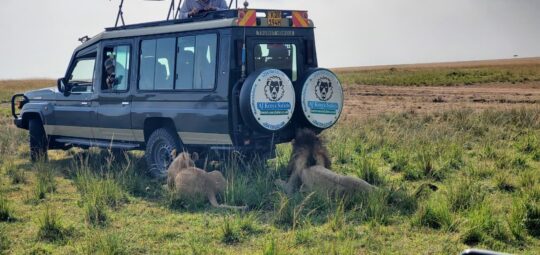
From there we moved on to the grasslands of the Mara. With little ones, a Masai Mara safari with toddlers takes some extra thought about pacing and safety, but the payoff is worth it. There are so many animals — lions asleep on rocks, giraffes nibbling acacia, zebras crossing in front of the car — that tiny eyes stay glued to the window.
If you have more time, or slightly older kids, the northern Samburu circuit is worth a look. Samburusafari.com has details on the arid-country species you get up there, like Grevy’s zebra and reticulated giraffe. For us, two regions was plenty. It kept travel days short and left room for doing nothing.
Why a Private Vehicle is a Mom’s Best Friend
If there’s one splurge I’d push on any parent, it’s booking a private 4×4 Land Cruiser instead of joining a shared group tour.
Share a vehicle with strangers and you’re on their schedule. When your toddler starts crying over a toy that rolled under the seat, or someone needs a bathroom break twenty minutes out of camp, you don’t want to be apologizing to six adults with long lenses who are waiting on a lion to stand up.
With a private vehicle, you run the show:
- Flexible Pickups: If the kids wake up cranky, you can push the morning drive back half an hour without asking anyone.
- Custom Pitstops: Need to stop for a juice box or a quick stretch? Your driver-guide is right there with you.
- Early Returns: If your three-year-old hits their limit at 10:00 AM, you can head straight back to the lodge for pool time.
Most private vehicles have pop-up roofs so kids can stand on the seats and look out, a fridge with cold water, and charging ports for those emergency tablet moments on longer transfers.
Snacks, Naps, and Handling Midday Heat
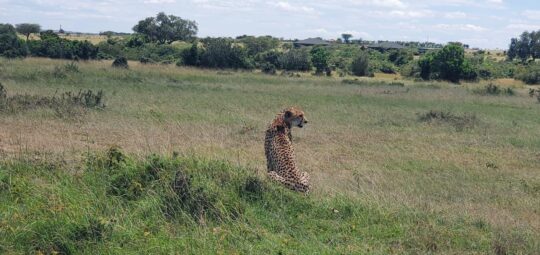
Animals are most active early morning and late afternoon, which happens to line up almost perfectly with how small children already run.
We’d head out around sunrise for two or three hours. The air is cool, everything’s moving, and the kids are fresh from a good night’s sleep. By about 10:30, once the sun got serious, we’d be back in camp for lunch and a long rest.
While the animals slept under the acacias, ours swam, did whatever craft the lodge staff had going, or napped in the tent. At 4:00, after tea and biscuits, everyone was up for a shorter drive before sunset.
Food was easier than I expected. Even if your child lives on plain pasta, fruit and chicken nuggets at home, most lodge chefs will happily do something simple off-menu if you ask ahead. I still kept a stash of familiar snacks from home — granola bars, dried fruit, crackers — in my daypack for game drives.
Packing Essentials for Little Explorers
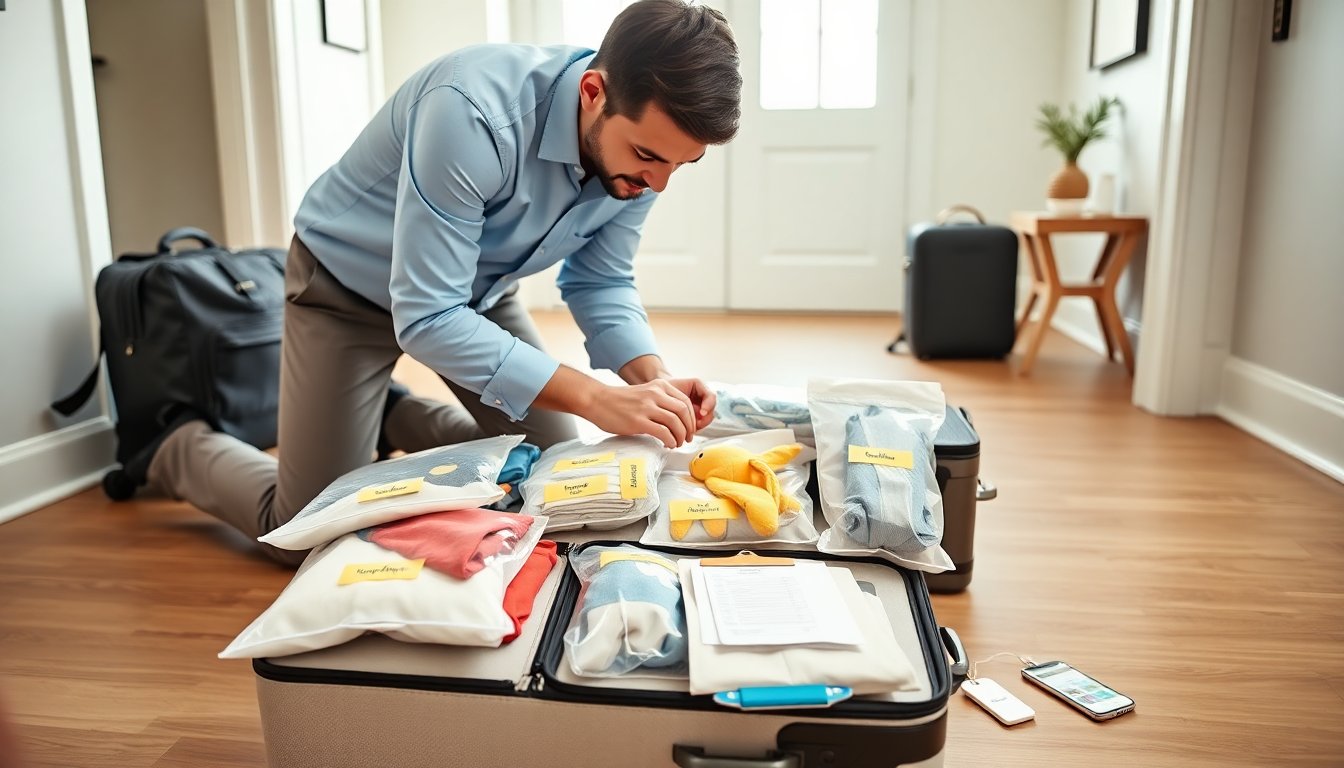
Packing for the bush is a bit different from packing for a beach. Keep it light, but don’t skip the comfort items. A few things that saved us:
- Neutral-Colored Layers: Morning drives can be crisp and afternoons get warm. Pack lightweight cotton in tan, khaki, or green. Skip bright neons, which attract insects, and dark blue or black, which can attract tsetse flies.
- Kid-Sized Binoculars: Give each child their own pair and they stop being passengers and start being trackers.
- Wildlife Activity Books: A simple checklist where they tick off animals they spot fills the slow stretches.
- A Sturdy First-Aid Kit: Kid-friendly sunscreen, insect repellent wipes, rehydration powder, something for motion sickness on the bumpy roads, and more band-aids than you think you need.
- A Dust-Proof Bag: Dirt tracks mean dust. Electronics and snacks live in sealed zip-top bags.
Letting Go of the Perfect Trip
Before we left, I had to talk myself out of expecting a picture-perfect holiday. Kids don’t care about the Big Five, and they really don’t care about rare birds. Our four-year-old was as thrilled by a dung beetle rolling a ball across the track as by a lion in the distance.
So let them set the pace. The best bits were small ones: working out whose footprints were whose, hearing a hippo from the lodge deck, looking up at a sky with no city light anywhere in it.
Planning it feels daunting while you’re in the middle of it. Then a family of elephants walks past your vehicle, you watch your kids’ faces, and the whole thing makes sense.